The Reality Behind Local AI Character Generation
Local AI character generation has captured the imagination of creators, writers, and AI enthusiasts worldwide. The positive coverage is mostly deserved. Which is exactly why it’s worth taking a clear-eyed look at what isn’t working. The technology has come a long way, but there’s still a big gap between what companies promise and what most people can actually pull off at home.
Here’s what challenges how most people think about this. The question worth asking first: why does this matter right now?
Running good AI characters on your own hardware takes more than downloading an app and hitting start. You’re looking at serious technical requirements, constant maintenance, and quality issues that catch most people off guard. Getting real about these problems upfront helps you figure out if local deployment actually makes sense for what you want to do.
Hardware Requirements That Actually Matter
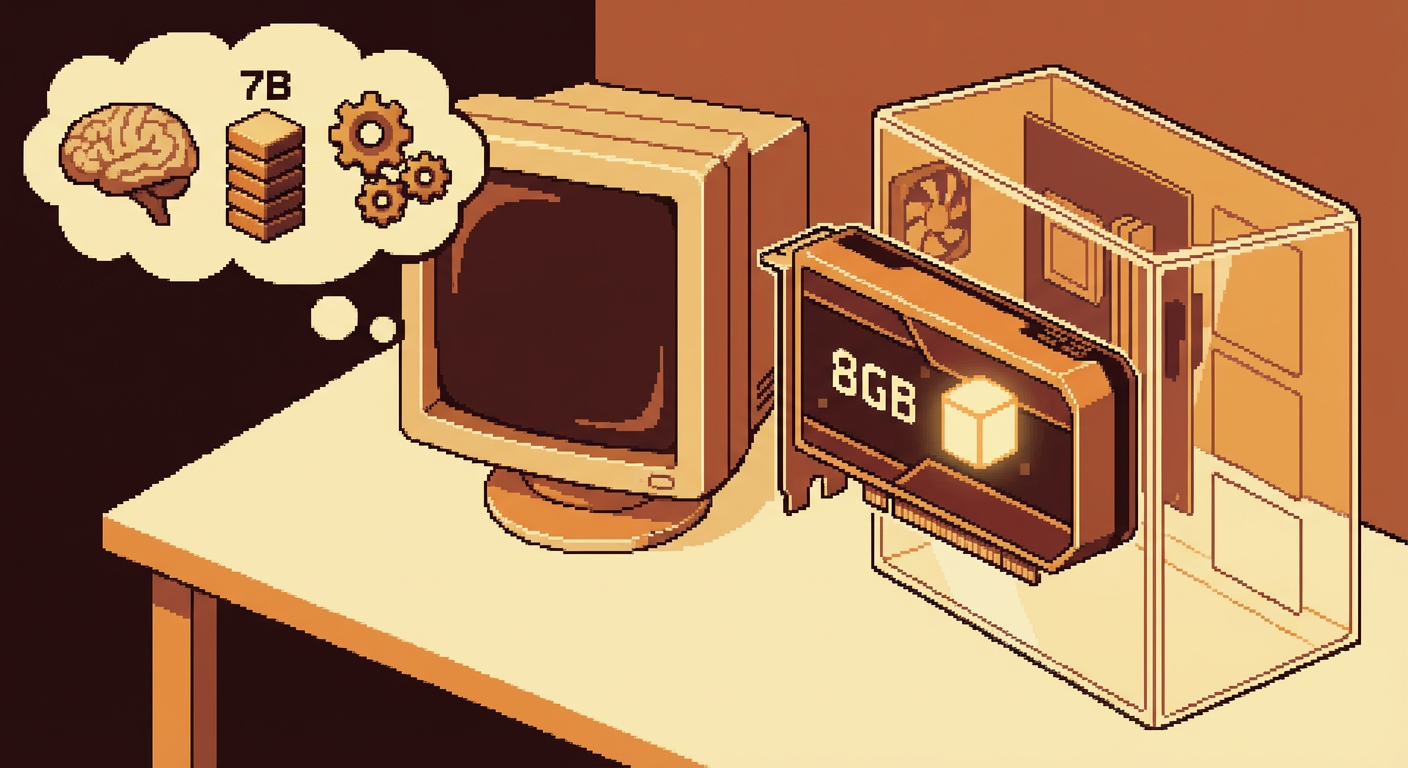
Any decent local AI character setup starts with graphics processing power. Quality 7-billion-parameter models need graphics cards with at least 8 gigabytes of video memory to run without choking. This cuts out most consumer laptops and budget desktop systems right away. Cards like the RTX 4070 or RTX 4060 Ti are your entry point for decent performance. If you want to run larger models or get faster response times, you’re looking at RTX 4080 or 4090 territory.
There are workarounds for people without powerful graphics hardware. Quantized GGUF models running through llama.cpp let you use just your CPU, but you’re trading performance and quality for compatibility. These setups work on regular computer hardware but the output quality drops noticeably and generation crawls. Fine for messing around, but it’ll disappoint you if you’re trying to do serious creative work.
System memory matters too, especially if you’re running CPU-only. Models without GPU acceleration can eat up 16 to 32 gigabytes of RAM depending on size and how they’re optimized. Even GPU setups benefit from plenty of system memory to handle your operating system, frontend apps, and model loading without hiccups.
Software Ecosystem and Configuration Challenges
The software side revolves around established backend systems that handle model loading and inference. Oobabooga text-generation-webui and KoboldAI are the main backend options if you’re running SillyTavern documentation as your frontend. These tools work well once configured but getting there takes effort.
Installation means getting multiple components to work together. You’ll install Python environments, download multi-gigabyte model files, configure GPU acceleration libraries, and set up communication between frontend and backend apps. Each step can break, and troubleshooting frustrates people without technical experience. Documentation exists but usually assumes you’re comfortable with command lines and debugging.
Model selection makes or breaks your experience. Base models trained for general language tasks usually suck at creative roleplay compared to specialized fine-tuned versions. Uncensored variants specifically trained for creative fiction create much better character interactions, but you need to research and identify quality options from a massive pile of choices. The difference between a mediocre model and a great one completely changes how this feels to use.
Maintenance Overhead and Ongoing Costs
Local AI setups need constant attention to keep working well. Backend applications get frequent updates that might require reinstallation or configuration changes. New models come out regularly, each promising better quality, speed, or capabilities. Frontend interfaces change rapidly as developers add features and fix bugs. Keeping everything working together becomes an ongoing project, not a one-time setup.
Hardware costs don’t stop at purchase. High-performance graphics cards suck down serious electricity, especially during long generation sessions. You need better cooling to handle the heat from sustained GPU use. Storage requirements grow as you collect multiple models, each taking several gigabytes. These running costs add up, particularly if you use characters frequently.
Time investment might be the biggest hidden cost. Learning the ecosystem, fixing problems, updating software, and experimenting with different models and settings takes dozens of hours initially plus ongoing attention. If you just want to interact with characters rather than tinker with AI systems, this overhead can completely overwhelm the actual experience.
Alternatives to Self-Hosting
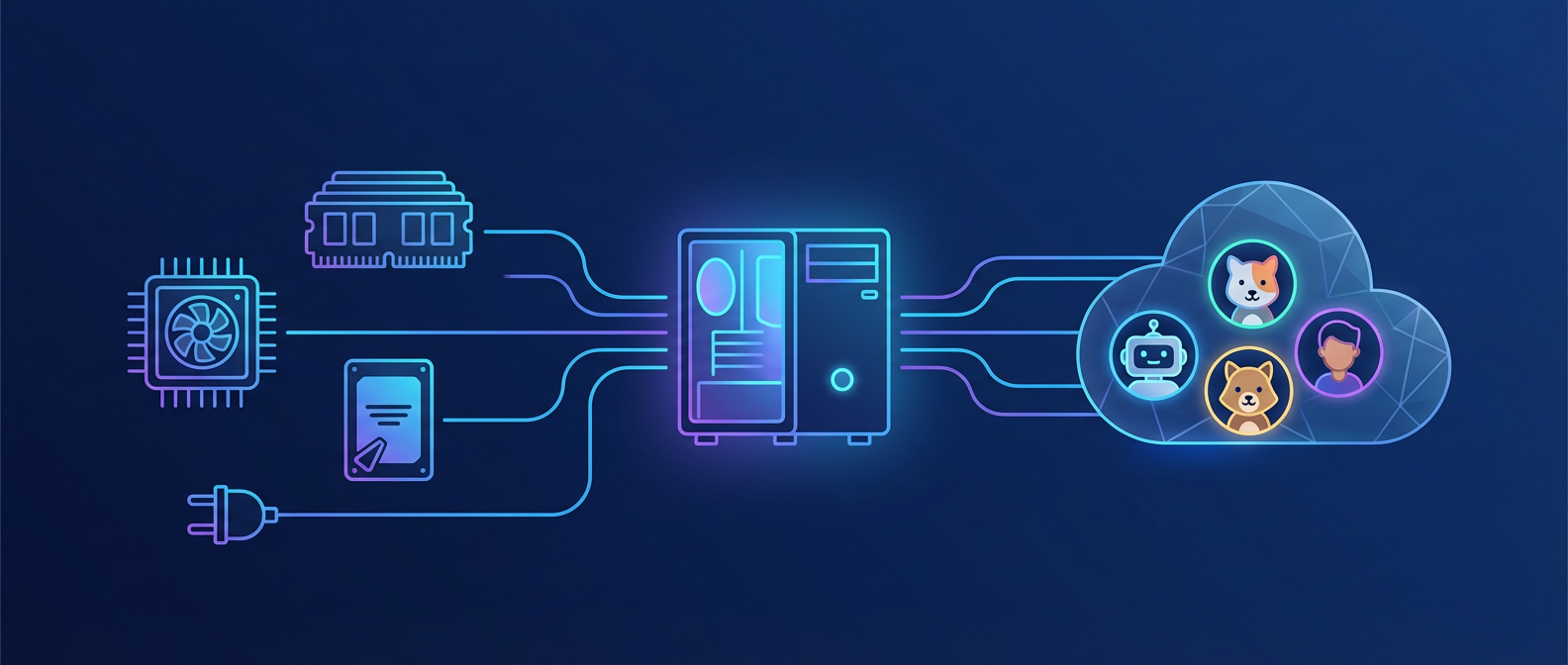
Managed hosting services have popped up to handle the complexity and maintenance burden of local setups. These platforms manage hardware, software configuration, and models while giving you user-friendly interfaces for character interaction. Services like Hearthside Chat remove the technical barriers that stop many people from accessing quality AI characters, though you’re depending on external providers and paying ongoing subscription costs.
The choice between local and hosted solutions comes down to what matters most to you. Local deployment gives you complete control, privacy, and freedom from service outages but requires significant technical investment and constant maintenance. Hosted alternatives offer convenience and reliability while limiting customization options and requiring trust in third-party providers. You need to weigh these factors against your specific needs, technical skills, and budget.
For most potential users, especially those who want character interaction rather than AI experimentation, managed services make the most sense. The hardware requirements, configuration complexity, and maintenance overhead of local setups create barriers that might never justify the benefits for casual users.
The barrier to running this AI roleplay tool has always been the technical setup. Hearthside Chat removes that barrier entirely, same experience, no configuration required.
The conversation about this is as valuable as the thing itself. Tell us what we missed in the comments.