The Basement Venues Are Speaking Truths the Multiplexes Won’t Touch
Walk down the cracked concrete steps into the Micro-Cinema Collective’s latest venue—a converted darkroom beneath a Thai restaurant in Queens—and you’ll witness something the film industry desperately needs but refuses to acknowledge. Tonight, Aria Blackwood’s sixteen-minute meditation on digital decay, “Signal/Noise,” unfolds on a hand-built screen while twenty-three people sit transfixed on mismatched chairs. The projection flickers occasionally because of the building’s ancient electrical system, but nobody moves to fix it. The instability becomes part of the work.
This is where cinema lives now, in spaces that smell like developer fluid and ambition. While Netflix algorithms push viewers toward comfort food and theatrical releases grow increasingly risk-averse, experimental filmmakers are carving out territories that feel genuinely subversive. They’re not just making different movies. They’re rebuilding the entire infrastructure of how moving images reach audiences.
The energy in these rooms has the urgency of necessity. When Blackwood discusses her latest piece after the screening, she references Jonas Mekas and Stan Brakhage with the same breath as TikTok compression artifacts and cryptocurrency mining farms. Her work doesn’t simply nod to the avant-garde tradition. It digests decades of experimental cinema and spits out something that speaks to our current moment of technological vertigo.

Beyond the Festival Circuit: A New Distribution Ecology
The traditional experimental film festival circuit—dominated by institutions like the New York Film Festival’s “Views from the Avant-Garde” and the Ann Arbor Film Festival—still matters, but it’s no longer the only game worth playing. A new ecosystem has emerged, built around popup screenings, artist-run spaces, and hybrid digital-physical events that challenge every assumption about how experimental work finds its audience.
Take the Itinerant Image Collective, which operates out of a converted shipping container that travels between cities. Their curatorial approach treats each location as a collaborator, programming films that respond to local conditions. When they parked outside a defunct shopping mall in Akron last month, their selection included works about economic abandonment and architectural decay. The container’s metal walls created acoustic conditions that transformed the sound design of each piece.
This geographical specificity represents a profound shift from the white cube mentality that has long dominated experimental film exhibition. These programmers understand that context isn’t just important, it actually generates new meaning. The work changes based on where and how it’s shown, and the most interesting curators design experiences that amplify those transformations rather than minimize them.
The Technology Question: When Innovation Actually Serves Vision
The current wave of experimental filmmakers approaches technology with a sophistication that puts most commercial productions to shame. They’re not interested in technology for its own sake, but they’re unafraid to push tools in directions their manufacturers never intended. Maria Santos’s recent installation “Datacenter Lullaby” uses machine learning algorithms trained on surveillance footage to generate endless variations on the same empty office building. The result feels both hypermodern and eerily nostalgic, like watching the dreams of a digital security system.
This technological fluency extends beyond production into exhibition. The most compelling screening events now incorporate live performance, interactive elements, and site-specific installations that transform the viewing experience into something closer to theater or contemporary art. When filmmaker David Chen projects his Super 8 loops onto hand-blown glass sculptures while a cellist performs alongside, he’s not just showing a movie. He’s creating a temporary world with its own physical and temporal rules.
The democratization of sophisticated tools has unleashed a generation of artists who can realize ambitious visions without institutional support. But more importantly, they’re using those tools to ask questions about perception, memory, and consciousness that mainstream cinema won’t touch. These aren’t technical exercises. They’re philosophical investigations that happen to use moving images as their primary medium.
The Critics Are Missing the Point (Again)
Academic film criticism continues to approach experimental cinema with categories borrowed from narrative filmmaking, resulting in reviews that sound like botanical descriptions of alien plant life. The language feels inadequate because the framework is wrong. These works don’t want to be understood in terms of character development or narrative structure. They’re operating in the realm of pure sensation and conceptual investigation.
Meanwhile, the art world press treats experimental film like a curious appendage to video art, missing the specific histories and concerns that drive the medium. The result is a critical discourse that fails to capture what makes this work urgent and necessary. When a major art magazine describes a challenging experimental film as “meditative” or “hypnotic,” they’re usually signaling their inability to engage with what the work is actually doing.
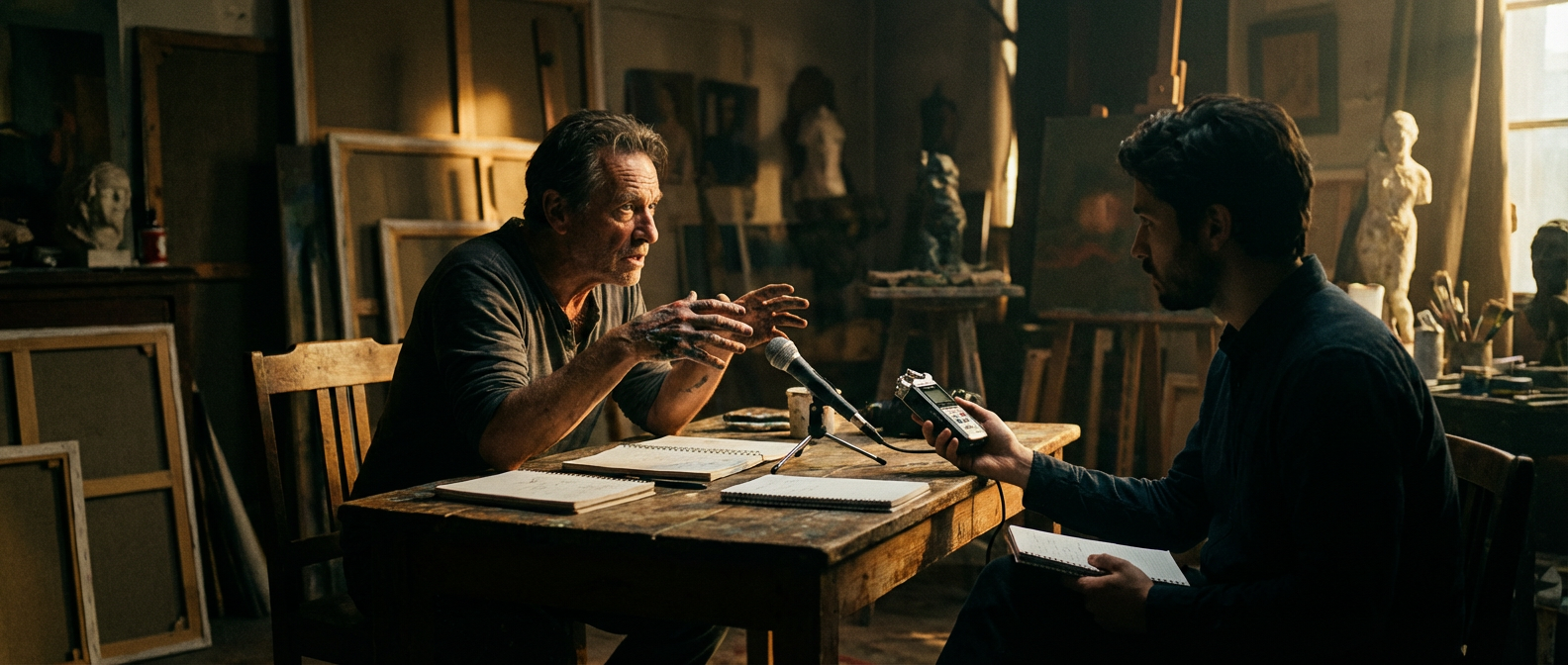
The most valuable criticism is emerging from the filmmakers themselves, through artist talks, program notes, and informal conversations that happen after screenings. They’re developing new vocabularies for discussing work that operates outside established categories. Listen to two experimental filmmakers discuss frame rates and emulsion types, and you’ll hear a technical conversation that’s simultaneously philosophical and deeply personal.
What Happens Next: The Stakes of This Moment
The current flowering of experimental cinema is happening while the entertainment industry grows more conservative by the quarter. As streaming platforms consolidate around proven formulas and theatrical releases chase global markets that favor spectacle over speculation, these alternative spaces become increasingly important. They’re preserving not just different ways of making movies, but different ways of thinking about what movies can be.
The sustainability question looms large. Many of these initiatives operate on financial margins so thin they make shoestring budgets look luxurious. But their influence extends far beyond their immediate audiences. Commercial filmmakers are quietly studying techniques pioneered in basement screenings. Gallery artists are incorporating durational strategies developed by experimental filmmakers. The innovations percolate upward, even when the innovators receive no credit.
This underground network is cinema’s immune system, a space where the medium can experiment, mutate, and evolve without market pressures or institutional gatekeeping. As the mainstream film industry becomes increasingly predictable, these margins become the center. They’re where the future is being imagined, one flickering projection at a time.
If you’re curious about what’s happening in your area, start checking the bulletin boards at local art schools and independent bookstores. The most interesting screenings are often announced through cryptic flyers and word-of-mouth networks that feel deliberately exclusive but welcome genuine enthusiasm. Show up with an open mind and prepare to have your assumptions about cinema systematically dismantled.