Beyond the Gallery Wall: Where Art Meets Economics
The relationship between art and money has always been complicated. For generations, artists have navigated the tension between creative expression and financial survival, often forced to choose between artistic integrity and economic stability. Today, that dynamic is shifting in ways I find genuinely exciting. Independent artists are discovering new pathways to sustainability that bypass traditional gatekeepers while creating more direct connections with their audiences.
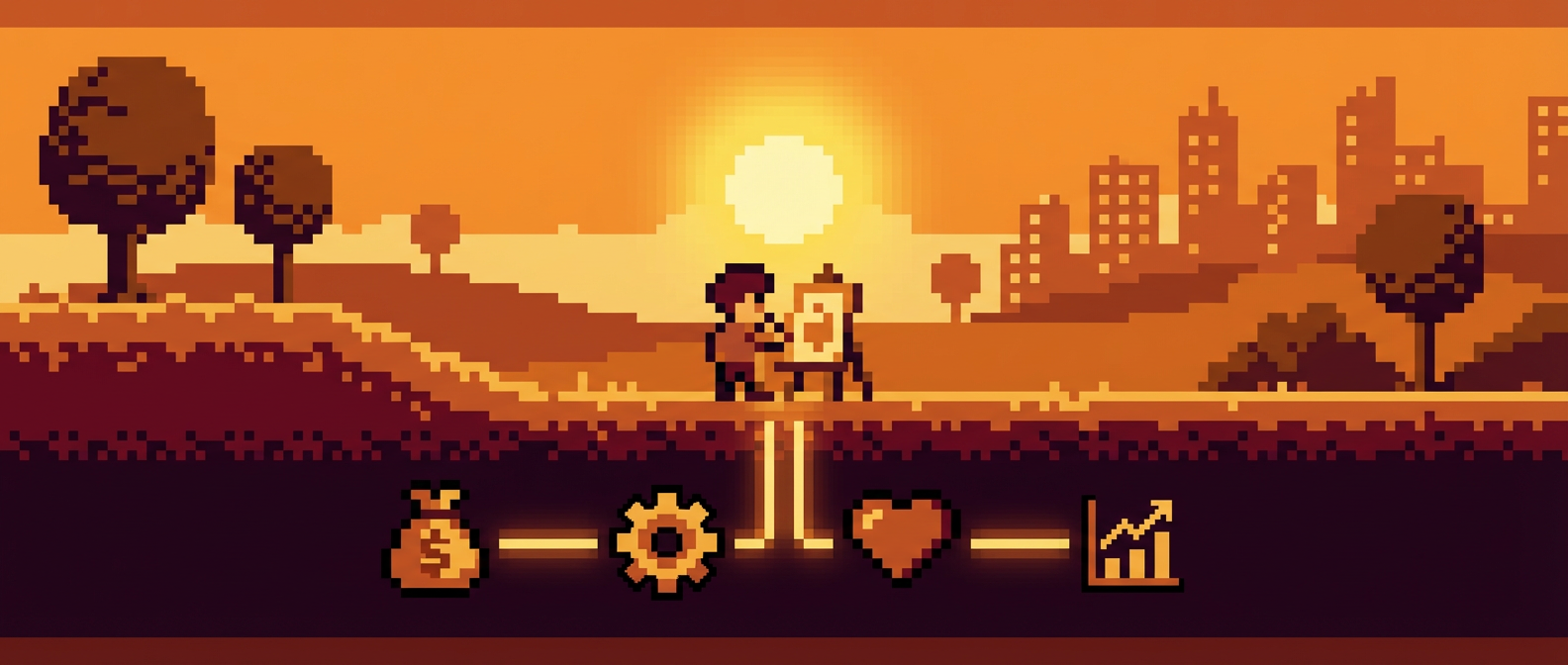
This change isn’t just about technology or new platforms. It’s a complete reimagining of how creative work gets valued, distributed, and sustained. From musicians earning pennies on streaming services to visual artists priced out of city centers, the challenges are harsh and immediate. But within these constraints, I’m seeing innovative approaches emerge that offer real hope for a more equitable creative economy.
The Streaming Economy’s Hidden Costs
The promise of digital distribution was supposed to democratize art. Anyone could upload their music, share their visual work, or publish their writing without needing a record label, gallery representation, or publishing house. The reality has been messier. While access to distribution platforms has expanded dramatically, the economic benefits have piled up heavily at the top.
For most independent musicians, streaming revenues tell a brutal story. The vast majority of artists on major platforms earn less than $500 annually from their streams, with the bottom ninety percent struggling to cover even basic recording costs. This gap reveals a critical flaw in the current digital economy: reach doesn’t automatically translate to sustainable income.
The math is brutal. Even a song with thousands of streams might generate only a few dollars for its creator after platform fees and distribution costs. This has pushed many artists to view streaming services not as income sources but as discovery tools, hoping to convert casual listeners into more meaningful supporters through other channels.
Direct Connection Models That Work
Some platforms are proving that different approaches can succeed. Bandcamp has built a thriving ecosystem where fans purchase music directly from artists, keeping the majority of revenue with creators rather than intermediaries. Patreon has enabled thousands of artists to build sustainable practices through ongoing supporter relationships rather than one-off sales.
These models work because they prioritize connection over consumption. When fans directly support artists they care about, both parties benefit from a more personal relationship. Artists receive predictable income that allows for long-term planning. Supporters gain access to exclusive content and the satisfaction of directly enabling creative work they value.
The subscription model has proven particularly powerful for artists working in ongoing practices. A painter documenting their process, a musician releasing monthly compositions, or a writer sharing works in progress can build communities around the creative journey itself, not just finished products. This approach transforms art from a commodity into an experience shared between creator and audience.
Space, Place, and the Geography of Making
Physical space remains critical for many art forms, yet rising real estate costs in major cities are pushing independent artists to the margins. Studios that once cost a few hundred dollars monthly now demand thousands, forcing impossible choices between location and affordability. This displacement isn’t just personal hardship. It threatens the cultural ecosystems that make cities vibrant creative centers.
Artist residency programs are emerging as one response to this crisis. These programs provide temporary workspace and community, often in locations outside expensive urban cores. While residencies can’t replace permanent studios, they offer concentrated periods for focused work and professional development. Many artists are building careers around a combination of residencies, shared spaces, and home studios.
Some cities are responding with policy initiatives to preserve affordable artist spaces. Zoning changes, tax incentives, and public-private partnerships are creating new models for sustainable creative infrastructure. These efforts recognize that artists contribute economic and cultural value that justifies public investment in their ability to work and thrive locally.
Technology, Authenticity, and New Questions
Recent technological developments are forcing fresh conversations about what we value in art. The NFT boom and subsequent collapse demonstrated both the potential and pitfalls of blockchain-based art markets. While speculation-driven pricing proved wildly unsustainable, the underlying technology for establishing provenance and ownership continues to evolve in useful directions.
More immediately pressing is the impact of AI image generation on creative practices. These tools can produce sophisticated visual content in seconds, raising uncomfortable questions about originality, authorship, and the value of human creative labor. Rather than replacing artists entirely, AI seems to be pushing the field toward work that emphasizes uniquely human qualities: emotional resonance, cultural context, and personal perspective.
For independent artists, these technologies present both opportunities and real threats. AI tools can accelerate certain aspects of creative work, but they also increase pressure to differentiate human-made art in an increasingly crowded marketplace. The most successful approaches seem to involve embracing these tools while maintaining clear artistic vision and authentic connection with audiences.
Building Sustainable Creative Practices
The emerging picture of independent art economics is neither utopian nor dystopian, but decidedly messy. Success requires combining multiple revenue streams, building genuine community connections, and adapting to rapidly changing technological and economic realities. Artists who thrive in this environment tend to be those who embrace entrepreneurial thinking without losing sight of their creative core.
Platforms like Artsy contemporary art and publications such as Hyperallergic art criticism are documenting these shifts in real time, providing essential context for understanding how the art world is evolving. These resources help artists and supporters alike navigate an increasingly complex terrain.
The future of independent art lies not in any single solution but in continued experimentation with new models for creating, sharing, and sustaining creative work. Every artist who builds a successful practice outside traditional systems contributes to a growing body of knowledge about what’s possible. Their innovations become templates that others can adapt and improve upon.
As this transformation continues, the most important factor may be community. Artists who connect with others facing similar challenges. Supporters who value creative work enough to pay for it directly. Institutions willing to experiment with new approaches to cultural support. The economics of art are changing, and those changes are creating new possibilities worth exploring.