The Underground Renaissance: How Our City’s Fringe Venues Are Outpacing the Mainstream

The Tale of Two Openings

Last Friday night presented a perfect case study in our city’s cultural divide. At the Municipal Arts Center, the much-anticipated retrospective of regional landscape painters opened to a crowd of familiar faces, wine glasses clinking against the predictable hum of polite appreciation. Three miles east, in a converted warehouse space barely marked by street signage, the Flux Collective unveiled their latest installation series to an audience half the size but triple the energy.

The contrast couldn’t have been starker. While the Municipal showed off seventy years of safe, saleable mountain vistas that wouldn’t challenge a suburban living room, Flux presented “Interrupted Frequencies,” a multimedia exploration of digital displacement that had visitors questioning their relationship with technology before they’d finished reading the artist statements. The mainstream venue offered comfort food for the cultural palate. The underground space served a seven-course meal of provocative ideas.

This isn’t about elitism or accessibility. It’s about creative ambition and the willingness to fail spectacularly in service of something genuinely new. The Municipal’s opening drew three times the attendance and will undoubtedly generate more revenue. But which event will still be generating conversations six months from now?

The Economics of Risk and Reward

The financial realities facing our cultural institutions create an inevitable tension between innovation and survival. The Municipal Arts Center, dependent on city funding and donor money, cannot afford to alienate its core constituency with challenging work. Their programming committee includes real estate developers and bank presidents who view art through the lens of property values and tax write-offs. The result is a programming philosophy that mistakes inoffensive for inclusive.

Meanwhile, venues like Flux operate on shoestring budgets that paradoxically liberate them creatively. Without the burden of institutional expectations, they can champion work that interrogates, disrupts, and occasionally infuriates. Their overhead consists of split rent on an industrial space and whatever equipment they can borrow or build themselves. This economic precarity breeds the very innovation that established institutions struggle to replicate.

Consider the trajectory of filmmaker Maria Santos, whose experimental documentaries about immigration patterns premiered at the old Bijou Theater’s monthly underground screenings three years ago. Her work, too raw and politically charged for the Film Society’s annual festival, found its audience through word-of-mouth and social media buzz. Now she’s screening at Sundance while the Film Society continues programming the same rotation of crowd-pleasing indies and foreign films that played well in 2018.

The Generational Divide in Cultural Consumption

The audience demographics at these parallel cultural events reveal deeper shifts in how different generations engage with art. The Municipal’s opening skewed heavily toward the fifty-plus demographic, many of whom approach gallery visits as social rituals rather than aesthetic encounters. They arrive knowing what they expect to see and leave satisfied by having seen it, their cultural appetites fed by familiar flavors.

Flux’s installation drew a younger, more diverse crowd that included working artists, graduate students, and cultural omnivores who consume art like they consume music, voraciously, promiscuously, and with an appetite for surprise. They document their experiences not through polite applause but through immediate social sharing, creating secondary conversations that extend the artwork’s reach far beyond the physical space.

This generational split isn’t simply about age. It reflects fundamentally different relationships with cultural authority. Younger audiences trust peer recommendation over institutional validation, preferring to discover rather than be told what deserves attention. They’re more willing to sit with discomfort, to engage with work that doesn’t resolve neatly or offer clear emotional payoffs.

The Institutional Response: Adaptation or Obsolescence

Some established venues recognize the shifting ground and attempt course corrections with mixed results. The Symphony’s recent collaboration with local electronic artists produced moments of genuine synthesis alongside awkward cultural collisions. The Contemporary Art Museum’s quarterly “Experimental Fridays” program feels like institutional tourism into edgier territory, complete with warning labels about potentially challenging content.

These efforts deserve credit for attempting engagement across cultural divides, but they often reveal the limitations of institutional thinking. When the Museum hired DJ collective Frequency Theory to create a sound installation, they insisted on volume restrictions that neutered the piece’s intended impact. The Symphony’s collaboration required electronic artists to conform to classical structures rather than exploring genuine hybrid forms.

The most successful adaptations come from institutions willing to cede some control. The Public Library’s decision to loan their community room to local experimental theater groups has generated more cultural excitement than their traditional programming in years. By providing space without editorial oversight, they’ve stumbled onto a model that works for both accessibility and innovation.

The Creative Ecosystem’s Hidden Connections

Despite their apparent opposition, mainstream and underground venues exist in productive tension rather than true isolation. Artists often begin in alternative spaces before transitioning to institutional recognition, creating a pipeline that benefits both ecosystems. The Municipal’s current featured artist, ceramicist James Chen, spent five years developing his voice through underground ceramics collective showings before achieving gallery representation.

The underground scene also works as a research and development arm for mainstream culture, testing ideas and audiences that established venues later adopt with reduced risk. The immersive theater experiences now popular at regional theaters borrowed heavily from techniques pioneered in warehouse performances by collectives working without safety nets or institutional support.

This symbiotic relationship suggests that our cultural divide might be less adversarial than it appears. The underground needs the mainstream’s stability and resources for artists to eventually make sustainable careers. The mainstream needs the underground’s innovation and risk-taking to avoid cultural stagnation. The question isn’t which approach is superior, but how these parallel systems can better support each other while maintaining their distinct identities.

The real test of our cultural ecosystem’s health lies not in choosing sides but in creating conditions where both experimental audacity and institutional stability can thrive. Next month brings new opportunities to examine these dynamics as the Film Festival announces its lineup while three underground collectives prepare competing experimental pieces. The conversations generated by these parallel events will reveal whether our city’s cultural scene is fragmenting or evolving into something more complex and vital than either tradition alone could achieve.
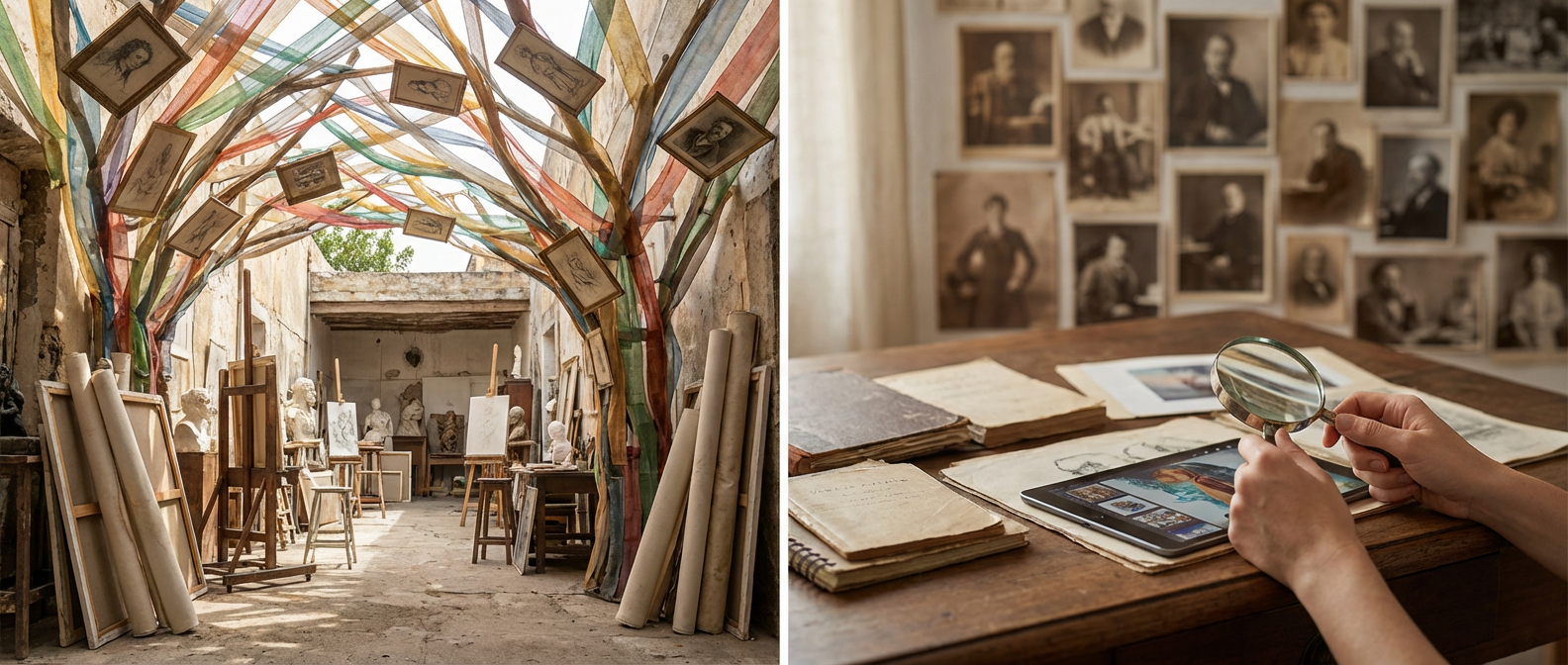
When First-Time Artists Break All the Rules: Five Debuts That Rewrote the Playbook

The Beautiful Violence of Starting Over

There’s something almost criminal about how debut works get discussed in arts circles. Critics love to mine them for “promise” or “potential,” as if a first effort is merely a rough draft for future greatness. This completely misses the point. The most revolutionary debuts don’t promise anything. They arrive fully formed, wielding their inexperience like a weapon against established norms.

Think about it: when you know nothing about how things are “supposed” to be done, you’re free to do them differently. The artists who reshape entire genres with their first works aren’t trying to join the conversation. They’re starting entirely new ones. They walk into galleries, concert halls, and screening rooms with the audacity of someone who hasn’t yet learned what’s impossible.

These aren’t just impressive first efforts. These are seismic shifts that make everything that came before look suddenly old-fashioned. Let me show you five debuts that didn’t just announce new talents, but forced entire art forms to evolve or risk irrelevance.

Jean-Michel Basquiat’s “Untitled (Skull)” and the Gallery Invasion

When Jean-Michel Basquiat moved from spray-painting cryptic SAMO© tags on Manhattan walls to canvas in 1981, he didn’t just change mediums. He dragged the raw energy of street art into spaces that had spent decades trying to keep it out. His first gallery show at Annina Nosei wasn’t a polite introduction to the art world. It was a hostile takeover.

“Untitled (Skull)” nailed this collision perfectly. The painting combined the immediate impact of graffiti with art historical references that would make any MFA student dizzy. Basquiat layered African masks, anatomical drawings, and street poetry into compositions that vibrated with urban anxiety. He painted like someone who had never been told that fine art and street culture were supposed to be separate languages.

The genius wasn’t just in the work itself, but in how it exposed the artificial boundaries the art world had constructed. Suddenly, critics had to reckon with an artist who moved easily between high and low culture, who treated Cy Twombly and subway tags as equally valid source material. Basquiat’s debut forced contemporary art to acknowledge that its ivory tower had always been an illusion.

Orson Welles and the Cinematically Impossible

“Citizen Kane” remains the most audacious film debut in history, not because it was technically perfect, but because Welles approached filmmaking like someone who had never been told what movies couldn’t do. At 25, he treated every supposed limitation of the medium as a creative challenge rather than an accepted fact.

The deep-focus photography that cinematographer Gregg Toland achieved for the film wasn’t just a technical innovation. It fundamentally changed how audiences processed visual information on screen. Welles filled his frames with multiple layers of action, forcing viewers to actively choose where to look rather than passively following conventional shot-reverse-shot patterns. Every scene became a composition worthy of classical painting.

But the real revolution was structural. Welles told his story through multiple perspectives and fractured chronology at a time when Hollywood operated on rigid narrative formulas. He proved that audiences were far more sophisticated than studio executives assumed, capable of following complex storytelling that respected their intelligence. The film industry spent the next two decades catching up to what this first-time director understood instinctively.

Most importantly, “Citizen Kane” showed that American cinema could be personal and political at the same time. Welles didn’t separate entertainment from commentary. He wove his critique of power and media manipulation so naturally into the narrative that audiences absorbed his message without feeling lectured. This approach would later influence everyone from Paul Thomas Anderson to Christopher Nolan.

Patti Smith’s Horses and the Punk Prophecy

Before “Horses,” rock music had two dominant modes: the technical virtuosity of progressive rock and the commercial polish of arena rock. Patti Smith’s 1975 debut album obliterated both approaches with the radical suggestion that rock could be literature, that three chords could carry poetry as dense and challenging as anything published by City Lights.

Smith didn’t just perform her poems over rock arrangements. She created a new hybrid form where the boundary between spoken word and song became meaningless. “Land” moved easily from narrative poetry to explosive rock without ever feeling disjointed. She proved that intellectualism and raw power weren’t opposing forces but natural allies.

The album’s opening declaration, “Jesus died for somebody’s sins but not mine,” wasn’t teenage rebellion. It was a mature artist claiming the right to define her own relationship with tradition, whether religious, literary, or musical. Smith positioned herself as both heir to the Beat poets and prophet of punk, understanding that innovation requires deep knowledge of what you’re rejecting.

“Horses” gave permission to countless artists who felt trapped between high and low culture. It showed that you could reference Rimbaud and still make music that hit like a physical force. The album didn’t create punk rock, but it provided the intellectual framework that separated punk from simple rebellion and transformed it into genuine artistic movement.

Spike Lee’s She’s Gotta Have It and the Economics of Independence

Spike Lee’s 1986 debut proved that you could make a feature film for $175,000 and still have something urgent to say about race, sexuality, and urban life. But “She’s Gotta Have It” was revolutionary beyond its micro-budget innovation. Lee created a new model for how independent filmmakers could maintain creative control while addressing political themes that Hollywood consistently avoided.

The film’s black-and-white photography wasn’t just a cost-saving measure. Lee used it to create visual continuity with the work of photographers like Gordon Parks, positioning his movie within a broader tradition of African-American visual culture. When color appeared in brief sequences, it felt earned rather than decorative, like brief moments of heightened reality breaking through everyday life.

Lee’s approach to his protagonist Nola Darling was equally groundbreaking. He created a complex female character who owned her sexuality without apology, then surrounded her with male characters who each represented different attempts to control or understand her independence. The film never resolved this tension neatly, refusing to provide easy answers about relationships, desire, or personal autonomy.

Most significantly, Lee proved that audiences hungry for diverse stories would support films that treated them seriously. “She’s Gotta Have It” became a blueprint for independent filmmakers who wanted to tell stories that reflected their own communities rather than chasing mainstream approval. The film’s success launched not just Lee’s career, but an entire movement of filmmakers committed to expanding what American cinema could represent.

The Invitation to Revolution

These debuts share a common thread: they succeeded because their creators approached established art forms with equal parts respect and irreverence. They understood the rules well enough to break them strategically, creating work that felt both radical and inevitable. Each artist proved that innovation doesn’t require rejecting the past, but rather reimagining how tradition might evolve.

The lesson for contemporary artists is clear. Don’t wait for permission to experiment. Don’t assume that because something hasn’t been done, it can’t be done. The most powerful debuts throughout history have come from artists who treated their inexperience as an advantage, who approached their chosen medium with fresh eyes and stubborn determination to expand its possibilities. What conventions in your field are begging to be challenged?

The Invisible Threads: How to Trace the DNA of Your Favorite Artists

The Invisible Threads: How to Trace the DNA of Your Favorite Artists

Why Every Artist Is a Detective Story Waiting to Be Solved

Walk into any contemporary gallery and you’ll witness a crime scene of sorts. Not theft, but influence. That striking installation borrowing Kapoor’s void-black surfaces. Those photographs echoing Cindy Sherman’s staged artifice. The sculpture channeling Brâncuși’s elemental forms. Every artwork carries genetic material from its predecessors, and learning to identify these threads transforms passive viewing into active investigation.

The Invisible Threads: How to Trace the DNA of Your Favorite Artists

Understanding artistic lineage isn’t academic busywork. It’s the difference between hearing a song and understanding why it makes your spine tingle. When you recognize how Radiohead’s “Everything In Its Right Place” descends from Krautrock’s hypnotic repetition, or how Jordan Peele’s horror syntax draws from both Hitchcock’s psychological manipulation and blaxploitation’s social commentary, you’re not just consuming art. You’re participating in a centuries-long conversation.

Think of influence tracing as archaeology. You’re excavating layers of inspiration, technique, and rebellion. Sometimes the connections are obvious: David Lynch’s debt to surrealist cinema, or how every indie folk revival echoes Joni Mitchell’s confessional intimacy. Other times, the links surprise. Did you know that the stark minimalism of Agnes Martin’s grids shares philosophical DNA with John Cage’s chance operations? Or that hip-hop sampling culture fundamentally changed how all musicians approach composition?

Illustration for The Invisible Threads: How to Trace the DNA of Your Favorite Artists

The Art of Looking Backward: Where to Start Your Investigation

Begin with what moves you. That photographer whose work stops you mid-scroll. That filmmaker whose movies feel like fever dreams. That musician who seems to channel sounds from another dimension. Don’t start with art history textbooks. Start with curiosity about the art that already lives in your bones.

Google becomes your first archaeological tool, but use it strategically. Search “[artist name] influences” or “[artist name] inspired by.” Read interviews where creators discuss their heroes. Watch documentaries. Criterion Channel and MasterClass are goldmines for hearing artists explain their own genealogies. When Spike Lee discusses Akira Kurosawa, or when Björk references everything from Stockhausen to traditional Icelandic music, they’re handing you a roadmap.

Pay attention to the specific vocabulary artists use when describing their influences. When someone mentions “the Canterbury Scene,” they’re pointing toward a specific late-60s British progressive music movement. When a filmmaker references “Italian neorealism,” they’re invoking post-war cinema’s documentary-style approach to human stories. These aren’t pretentious name-drops. They’re breadcrumbs leading to entire artistic ecosystems.

Museums and galleries often provide the most accessible entry points into influence networks. Wall texts frequently mention connections between works, and many institutions now offer digital collections with robust cross-referencing. The Museum of Modern Art’s online collection lets you rabbit-hole through artistic movements with surgical precision.

Reading the Genetic Code: Techniques, Themes, and Transformations

Once you’ve identified potential influences, learn to read the visual and auditory DNA. This means developing fluency in the formal elements that get passed between artists like genetic markers. Color palettes. Compositional structures. Rhythmic patterns. Narrative techniques. The way light behaves in Caravaggio’s paintings directly influenced how Martin Scorsese lights his films, creating that dramatic interplay between shadow and revelation.

Influence rarely means direct copying. More often, it’s about artists solving similar problems or exploring parallel obsessions across different mediums and eras. Consider how Piet Mondrian’s grid abstractions and Steve Reich’s phase-shifting compositions both investigate mathematical repetition as spiritual practice. Or how the emotional rawness of Egon Schiele’s self-portraits and Kurt Cobain’s vocals channel similar veins of psychological exposure.

Look for technical innovations that ripple across disciplines. The cut-up technique that William Burroughs pioneered in literature influenced David Bowie’s lyric writing, which in turn shaped how countless musicians approach non-linear songcraft. Andy Warhol’s silkscreen process borrowed from commercial printing to comment on mass production, inspiring artists across mediums to embrace mechanical reproduction as aesthetic strategy.

Sometimes influence is deliberate rebellion. The French New Wave filmmakers explicitly rejected Hollywood’s polished studio system, but their rebellion was informed by deep knowledge of what they were rejecting. Understanding both the tradition and its disruption gives you complete picture of an artistic moment’s meaning.

Building Your Personal Influence Map: Making Connections Stick

Create your own influence ecosystem. Start a document, notebook, or digital board where you track connections between artists you love. When you discover that Alice Coltrane’s spiritual jazz influenced Flying Lotus’s electronic productions, or that Kerry James Marshall’s paintings dialogue with both Renaissance masters and Marvel comics, write it down. These connections compound over time.

Follow the money and institutions that shaped artistic careers. The same patrons, galleries, record labels, and film studios often share similar aesthetic approaches. Factory Records didn’t just release Joy Division and New Order. They developed a visual and sonic identity that influenced alternative music culture for decades. Understanding these institutional networks helps you trace influence beyond individual artist relationships.

Pay attention to geography and timing. Artistic movements often emerge from specific places during particular cultural moments. The Bauhaus school’s design philosophy, Detroit techno’s industrial soundscapes, the Los Angeles Light and Space movement’s environmental installations. These weren’t accidents of individual genius but products of artistic communities responding to shared circumstances.

Don’t ignore the role of technology in shaping artistic lineage. The electric guitar transformed blues into rock. Digital sampling created hip-hop. Video editing software democratized experimental film. Understanding how technical innovations enable new forms of expression helps you recognize why certain artistic developments happened when and where they did.

The Living Conversation: How Influence Continues to Evolve

Artistic influence isn’t museum prehistory. It’s happening right now. Today’s artists are simultaneously drawing from centuries of tradition and creating tomorrow’s influence networks. When you see a young painter combining traditional portraiture with digital glitch aesthetics, or a musician blending trap beats with chamber music arrangements, you’re witnessing influence in real time.

Social media has accelerated and democratized influence transmission. Artists can discover obscure inspirations instantly and share their findings globally. This creates more complex, non-linear influence networks than previous generations experienced. A bedroom producer in São Paulo might sample a 1970s Turkish folk record, add contemporary trap elements, and influence artists in Seoul and Stockholm simultaneously.

The best part about understanding artistic lineage is recognizing that every ending is a beginning. Once you can trace how your favorite artists connect to broader cultural conversations, you develop intuition for discovering new work that extends those conversations in unexpected directions. You become an active participant in the ongoing evolution of human creative expression.

Ready to start your own influence archaeology project? Pick one artist whose work genuinely excites you and spend this weekend following their creative DNA backwards through time. See where the rabbit holes lead. Then come back and let’s compare notes, because the best discoveries about artistic influence happen when passionate people share what they’ve found in the excavation.

The New Economics of Independent Art: How Creators Are Redefining Success

The New Economics of Independent Art: How Creators Are Redefining Success

Beyond the Gallery Wall: Where Art Meets Economics

The relationship between art and money has always been complicated. For generations, artists have navigated the tension between creative expression and financial survival, often forced to choose between artistic integrity and economic stability. Today, that dynamic is shifting in ways I find genuinely exciting. Independent artists are discovering new pathways to sustainability that bypass traditional gatekeepers while creating more direct connections with their audiences.

The New Economics of Independent Art: How Creators Are Redefining Success

This change isn’t just about technology or new platforms. It’s a complete reimagining of how creative work gets valued, distributed, and sustained. From musicians earning pennies on streaming services to visual artists priced out of city centers, the challenges are harsh and immediate. But within these constraints, I’m seeing innovative approaches emerge that offer real hope for a more equitable creative economy.

The Streaming Economy’s Hidden Costs

The promise of digital distribution was supposed to democratize art. Anyone could upload their music, share their visual work, or publish their writing without needing a record label, gallery representation, or publishing house. The reality has been messier. While access to distribution platforms has expanded dramatically, the economic benefits have piled up heavily at the top.

For most independent musicians, streaming revenues tell a brutal story. The vast majority of artists on major platforms earn less than $500 annually from their streams, with the bottom ninety percent struggling to cover even basic recording costs. This gap reveals a critical flaw in the current digital economy: reach doesn’t automatically translate to sustainable income.

The math is brutal. Even a song with thousands of streams might generate only a few dollars for its creator after platform fees and distribution costs. This has pushed many artists to view streaming services not as income sources but as discovery tools, hoping to convert casual listeners into more meaningful supporters through other channels.

Direct Connection Models That Work

Some platforms are proving that different approaches can succeed. Bandcamp has built a thriving ecosystem where fans purchase music directly from artists, keeping the majority of revenue with creators rather than intermediaries. Patreon has enabled thousands of artists to build sustainable practices through ongoing supporter relationships rather than one-off sales.

These models work because they prioritize connection over consumption. When fans directly support artists they care about, both parties benefit from a more personal relationship. Artists receive predictable income that allows for long-term planning. Supporters gain access to exclusive content and the satisfaction of directly enabling creative work they value.

The subscription model has proven particularly powerful for artists working in ongoing practices. A painter documenting their process, a musician releasing monthly compositions, or a writer sharing works in progress can build communities around the creative journey itself, not just finished products. This approach transforms art from a commodity into an experience shared between creator and audience.

Space, Place, and the Geography of Making

Physical space remains critical for many art forms, yet rising real estate costs in major cities are pushing independent artists to the margins. Studios that once cost a few hundred dollars monthly now demand thousands, forcing impossible choices between location and affordability. This displacement isn’t just personal hardship. It threatens the cultural ecosystems that make cities vibrant creative centers.

Artist residency programs are emerging as one response to this crisis. These programs provide temporary workspace and community, often in locations outside expensive urban cores. While residencies can’t replace permanent studios, they offer concentrated periods for focused work and professional development. Many artists are building careers around a combination of residencies, shared spaces, and home studios.

Some cities are responding with policy initiatives to preserve affordable artist spaces. Zoning changes, tax incentives, and public-private partnerships are creating new models for sustainable creative infrastructure. These efforts recognize that artists contribute economic and cultural value that justifies public investment in their ability to work and thrive locally.

Technology, Authenticity, and New Questions

Recent technological developments are forcing fresh conversations about what we value in art. The NFT boom and subsequent collapse demonstrated both the potential and pitfalls of blockchain-based art markets. While speculation-driven pricing proved wildly unsustainable, the underlying technology for establishing provenance and ownership continues to evolve in useful directions.

More immediately pressing is the impact of AI image generation on creative practices. These tools can produce sophisticated visual content in seconds, raising uncomfortable questions about originality, authorship, and the value of human creative labor. Rather than replacing artists entirely, AI seems to be pushing the field toward work that emphasizes uniquely human qualities: emotional resonance, cultural context, and personal perspective.

For independent artists, these technologies present both opportunities and real threats. AI tools can accelerate certain aspects of creative work, but they also increase pressure to differentiate human-made art in an increasingly crowded marketplace. The most successful approaches seem to involve embracing these tools while maintaining clear artistic vision and authentic connection with audiences.

Building Sustainable Creative Practices

The emerging picture of independent art economics is neither utopian nor dystopian, but decidedly messy. Success requires combining multiple revenue streams, building genuine community connections, and adapting to rapidly changing technological and economic realities. Artists who thrive in this environment tend to be those who embrace entrepreneurial thinking without losing sight of their creative core.

Platforms like Artsy contemporary art and publications such as Hyperallergic art criticism are documenting these shifts in real time, providing essential context for understanding how the art world is evolving. These resources help artists and supporters alike navigate an increasingly complex terrain.

The future of independent art lies not in any single solution but in continued experimentation with new models for creating, sharing, and sustaining creative work. Every artist who builds a successful practice outside traditional systems contributes to a growing body of knowledge about what’s possible. Their innovations become templates that others can adapt and improve upon.

As this transformation continues, the most important factor may be community. Artists who connect with others facing similar challenges. Supporters who value creative work enough to pay for it directly. Institutions willing to experiment with new approaches to cultural support. The economics of art are changing, and those changes are creating new possibilities worth exploring.

Inside the Bedroom: How Home Studios Reshaped Music’s Creative Landscape

The Quiet Revolution in Your Neighbor’s Spare Room

The sound bleeding through apartment walls tells a story of transformation. What was once the exclusive domain of million-dollar studios now happens in converted bedrooms, makeshift home offices, and cramped basements across every neighborhood. The statistics are wild: nearly three-quarters of all music hitting Spotify’s servers in 2025 comes from these intimate spaces, crafted by artists who never stepped foot in a traditional recording facility.

This shift is more than just a change in location. It’s a complete rewiring of how music gets made, who gets to make it, and what professional-quality sound actually means. The bedroom has become the new boardroom, and the artists working within these walls are writing the rules as they go.

Walk through any residential area on a weekend afternoon and you’ll hear fragments of this revolution. Muffled drum patterns, ethereal synthesizer washes, and the distinctive lo-fi crackle that has become the sound of bedroom pop culture. These sounds aren’t accidents or limitations. They’re aesthetic choices that have spawned a movement.

When Software Became the Great Equalizer

The barriers that once separated aspiring musicians from professional production have crumbled fast. Digital Audio Workstations like Ableton Live, FL Studio, and Logic Pro are now accessible gateways, requiring nothing more than a laptop and headphones to begin crafting commercially viable tracks. What once demanded a team of engineers, expensive equipment, and studio time now fits into a backpack.

This democratization has unleashed creativity in unexpected ways. Artists no longer need to book studio time or justify their experimental impulses to gatekeepers. The result is music that feels more personal, more immediate, and often more adventurous than its big-budget counterparts. The lo-fi aesthetics that define bedroom pop aren’t born from technical limitations but from the intimate scale of home recording.

Musicians have embraced the quirks and character of bedroom recording. The slight tape hiss, the ambient room noise, the occasional imperfection. These elements have become signatures rather than flaws. Sound on Sound production techniques that were once considered unprofessional now define entire genres.

The bedroom pop movement has proven particularly good at turning these intimate production values into commercial success. Since 2019, the genre has consistently placed artists on the Billboard charts, proving that major-label polish isn’t required for mainstream appeal.

The Sample Struggle and AI’s Double-Edged Promise

But this creative freedom comes with its own problems. Independent artists find themselves navigating a complex world where sample clearance costs can eclipse their entire production budgets. The classic breaks, vocal snippets, and instrumental passages that shaped decades of music remain financially out of reach for most bedroom producers.

This economic reality has forced artists to become more inventive with their source material, often creating their own samples or manipulating sounds beyond recognition. The constraint has sparked innovation, with producers developing signature techniques for crafting their own textural elements and melodic fragments.

Artificial intelligence has introduced both opportunity and controversy into this equation. New stem separation tools allow producers to isolate individual elements from existing recordings with crazy precision. While this technology opens creative possibilities, it also enables widespread unauthorized remixing that exists in legal gray areas.

The bedroom pop community finds itself at the center of this debate. The genre’s reliance on nostalgic samples and vintage sounds makes AI separation tools particularly appealing, yet many artists grapple with the ethical implications of using technology that sidesteps traditional licensing requirements.

Analog Resurrection in a Digital Age

Perhaps the most surprising development in this digital revolution is the comeback of analog formats. Vinyl sales have outperformed CDs for three consecutive years, with 2025 marking the format’s strongest showing since the 1980s. This trend seems backwards in an era of bedroom production and streaming dominance, yet it reveals something essential about music culture’s relationship with physicality.

Bedroom pop artists have embraced vinyl as their format of choice, recognizing that the medium’s warm characteristics complement their aesthetic perfectly. The format’s limitations (its dynamic range, its surface noise, its demand for careful mastering) align with the genre’s values of imperfection and intimacy.

Record stores report that bedroom pop releases consistently outperform expectations in vinyl format, often selling out initial pressings within days. The format has become a bridge between the digital creation process and the tactile experience that many listeners crave.

This analog revival also speaks to the importance of ritual in music consumption. While streaming provides convenience, vinyl demands attention and intention. The act of dropping a needle onto a record creates a different listening experience than clicking play on a smartphone.

The Cultural Ripple Effects

The bedroom pop movement has influenced far more than just music production techniques. It has reshaped expectations about artistic authenticity, challenged traditional industry hierarchies, and created new models for artist-fan relationships. Social media platforms have become essential tools for bedroom producers, allowing them to build audiences without traditional promotional machinery.

The aesthetic has spilled over into visual art, fashion, and interior design. The dreamy, nostalgic quality of bedroom pop has inspired everything from album artwork to clothing lines to room decor. The movement represents a broader cultural shift toward valuing intimacy and authenticity over polish and perfection.

Music criticism has adapted to accommodate this new landscape. Pitchfork music criticism and other influential voices have developed new frameworks for evaluating music that prioritizes mood and atmosphere over technical precision.

As bedroom pop culture continues to evolve, it challenges basic assumptions about what professional music sounds like and where it should be made. The movement suggests that the future of music lies not in bigger studios or more expensive equipment, but in the creative potential that emerges when artists have complete control over their intimate creative spaces. The revolution happening in bedrooms across the world is just beginning to reveal its full impact on music culture.