The Bedroom Revolution: How Home Studios Rewrote Music’s Power Structure

The Bedroom Revolution: How Home Studios Rewrote Music’s Power Structure

From Garage Bands to Bedroom Producers

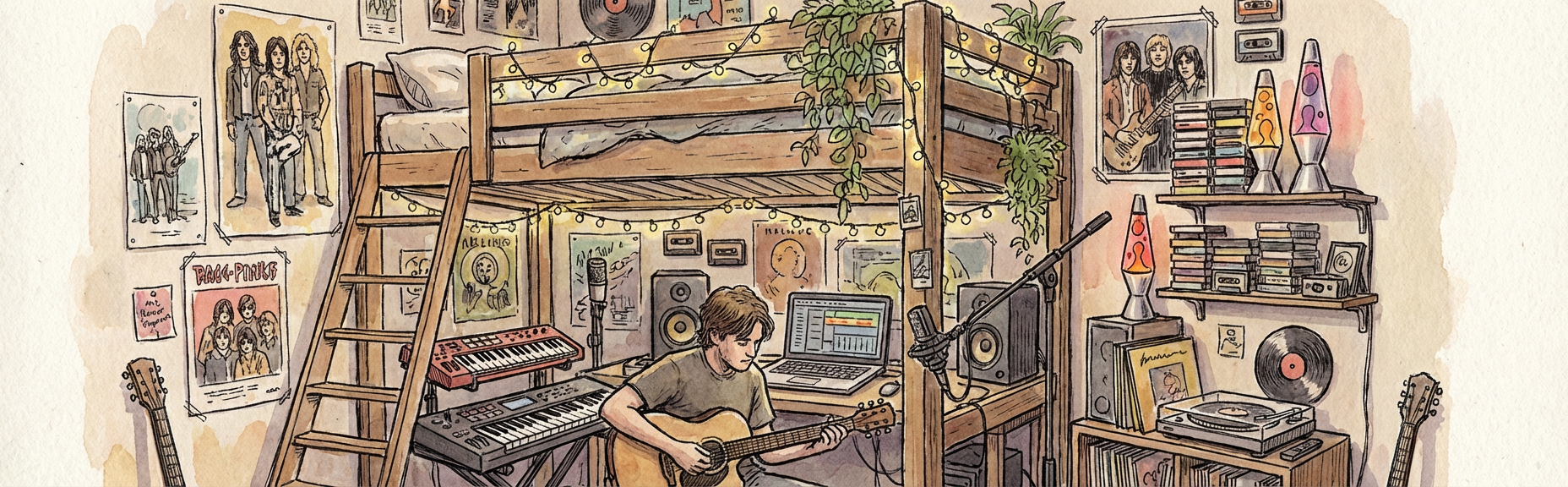
The revolution happened quietly, one USB microphone at a time. While major labels consolidated and streaming algorithms rewarded consistent output, a parallel universe emerged in bedrooms, basements, and spare rooms across the globe. Today, nearly three-quarters of all music uploaded to Spotify comes from home recording setups. That’s a massive shift in how we understand musical creation and distribution.

The Bedroom Revolution: How Home Studios Rewrote Music's Power Structure
The Bedroom Revolution: How Home Studios Rewrote Music’s Power Structure

This isn’t just about technology making art more accessible. It’s about an entire generation that grew up understanding music production as a native language, using software with the same natural fluency their predecessors had with traditional instruments. The bedroom pop movement is the most visible example of this transformation, but its influence reaches far beyond any single genre.

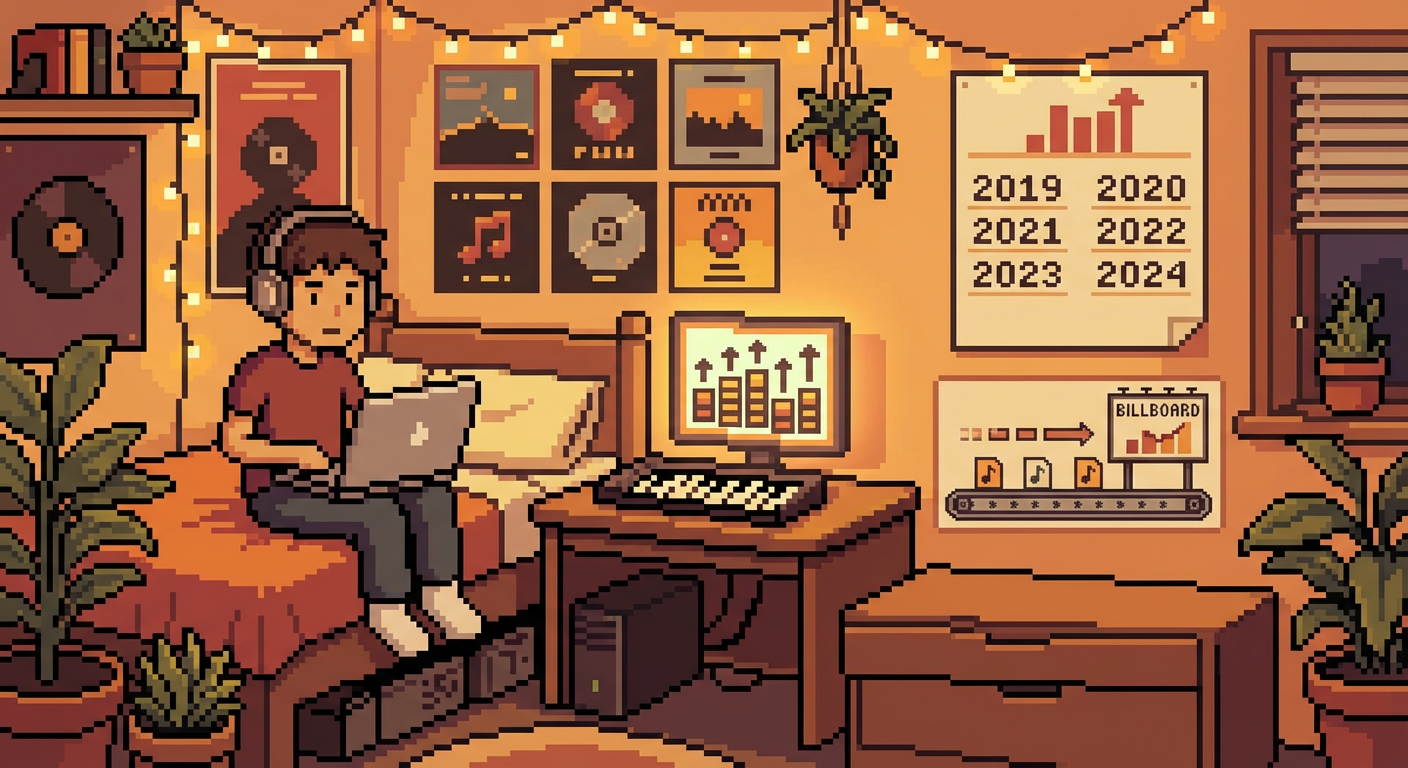
When Rex Orange County’s “Loving Is Easy” climbed the Billboard charts in 2019, it announced something profound: bedroom-recorded music had moved from curiosity to commercial force. The lo-fi aesthetic that once screamed amateur production now gets premium placement on major streaming platforms. What was once limitation has become liberation.
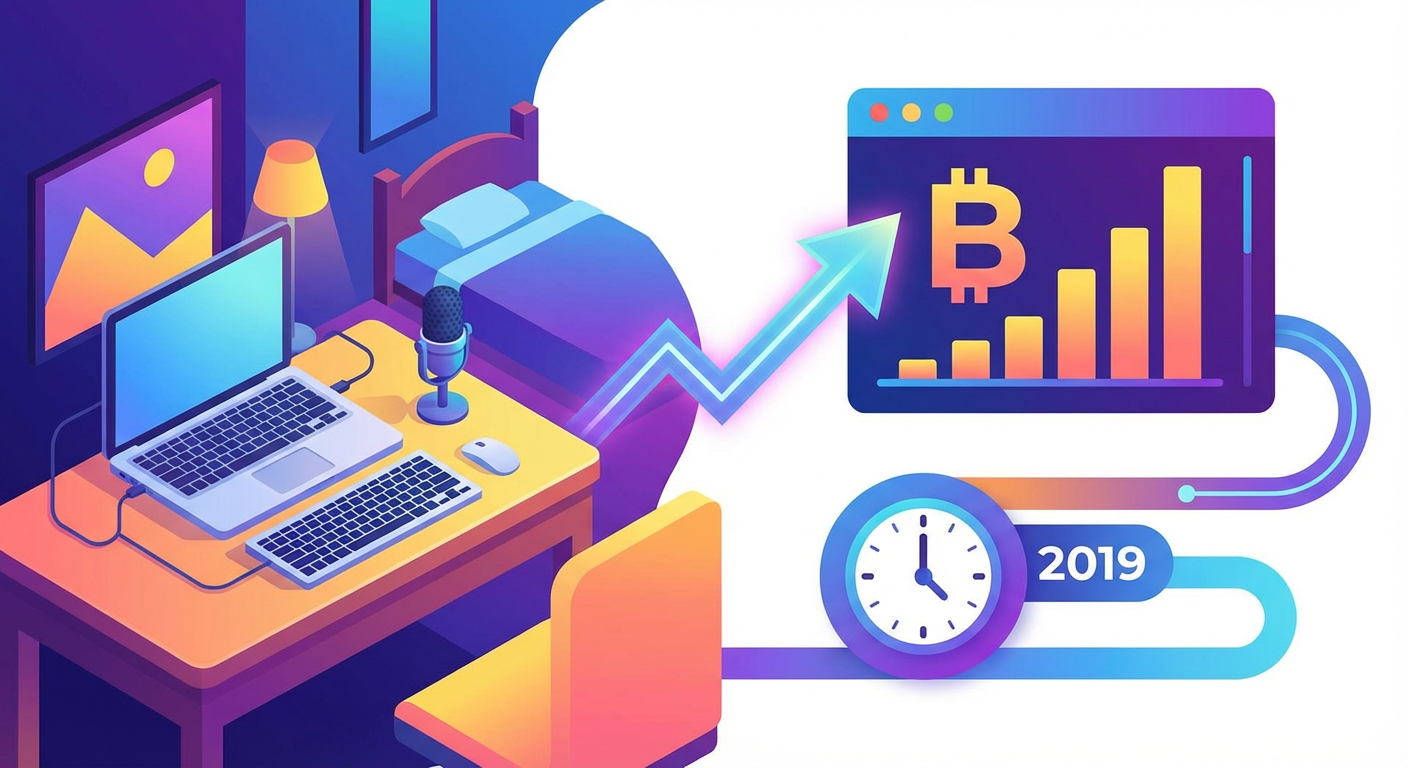
Illustration for The Bedroom Revolution: How Home Studios Rewrote Music's Power Structure
Illustration for The Bedroom Revolution: How Home Studios Rewrote Music’s Power Structure

The Great Leveling of Production

Digital Audio Workstations have basically eliminated the financial barriers that once separated bedroom dreamers from professional studios. Software like Ableton Live, FL Studio, and Logic Pro now offer capabilities that would have required hundreds of thousands of dollars in hardware just two decades ago. A teenager with a laptop can access the same reverb algorithms that shaped classic albums, the same compression techniques that defined entire eras of sound.

This democratization goes beyond just access to tools. Modern DAWs have reimagined the workflow itself, turning music production into something closer to painting than engineering. Visual waveforms, drag-and-drop sampling, and intuitive MIDI editing have made the technical aspects increasingly transparent. Sound on Sound production resources reveal how quickly newcomers can achieve professional results with minimal training.

The bedroom pop aesthetic takes advantage of these developments while simultaneously celebrating their limitations. The genre’s characteristic warmth often comes from deliberately embracing the artifacts of home recording: room tone, slight timing imperfections, the natural compression of less-than-perfect acoustics. Artists have learned to make features of what previous generations considered bugs.

Sample Culture Meets Legal Reality

The same technology that empowered bedroom producers has created new forms of artistic frustration. Sample clearance costs continue to price independent artists out of using recognizable material from major label catalogs, creating a two-tiered system where established artists can afford to interpolate classic tracks while newcomers must either pay prohibitive fees or risk legal action.

Enter artificial intelligence, stage left. New AI-powered stem separation tools can isolate individual elements from finished recordings with unprecedented accuracy, enabling unauthorized remixing and sampling at massive scale. This technology exists in a legal gray area, offering bedroom producers powerful creative possibilities while raising fundamental questions about intellectual property in the digital age.

The result is a frustrating tension between access and ownership, creativity and compensation. Independent artists increasingly turn to obscure sources, international recordings, or entirely original compositions to avoid clearance issues. This limitation has paradoxically pushed bedroom pop toward greater originality, as producers learn to create their own source material rather than relying on existing tracks.

Analog Nostalgia in a Digital World

Perhaps nothing illustrates the contradictions of contemporary music culture quite like vinyl’s continued dominance over compact discs. For the third straight year, vinyl sales have outperformed CDs, driven largely by the same demographic creating music entirely within digital environments. This is more than just nostalgia. It suggests a fundamental hunger for physical connection in an increasingly virtual creative landscape.

The vinyl renaissance connects directly to bedroom pop’s aesthetic philosophy. Both celebrate imperfection, warmth, and the tangible artifacts of analog processes. Artists who record entirely in digital formats deliberately add vinyl-style crackle, tape saturation, and wow-and-flutter effects to their productions. They’re not just making music; they’re crafting sonic archaeology, creating imaginary histories for songs that never touched analog equipment.

This phenomenon reveals something profound about contemporary artistic identity. Bedroom pop producers aren’t rejecting digital technology; they’re using it to synthesize an idealized version of analog recording. They want the convenience of modern production with the emotional resonance of vintage sound. Pitchfork music criticism has noted how this approach creates music that feels simultaneously timeless and distinctly contemporary.

The Infinite Bedroom

The bedroom pop movement is more than a musical genre: it’s a new model for artistic creation that prioritizes accessibility, authenticity, and individual expression over commercial polish and industry gatekeeping. The fact that bedroom-recorded tracks now regularly chart alongside major label productions suggests a fundamental shift in how audiences relate to musical authenticity.

This transformation goes beyond the artists themselves to influence how we understand creativity in the digital age. When anyone can access professional-quality production tools, success depends less on technical resources and more on vision, persistence, and the ability to connect with audiences directly. The bedroom becomes not just a recording space but a symbol of artistic independence.

As we move deeper into an era where artificial intelligence can separate stems, where vinyl outsells digital physical media, and where home studios produce chart-topping hits, we’re witnessing the emergence of entirely new creative ecosystems. The bedroom pop movement offers a glimpse into a future where the means of production have been truly democratized, where the barriers between amateur and professional have dissolved, and where the most intimate spaces become launching pads for global artistic movements.

What other musical revolutions are quietly brewing in bedrooms around the world, waiting for the right moment to emerge and reshape our understanding of what music can be and how it should be made?
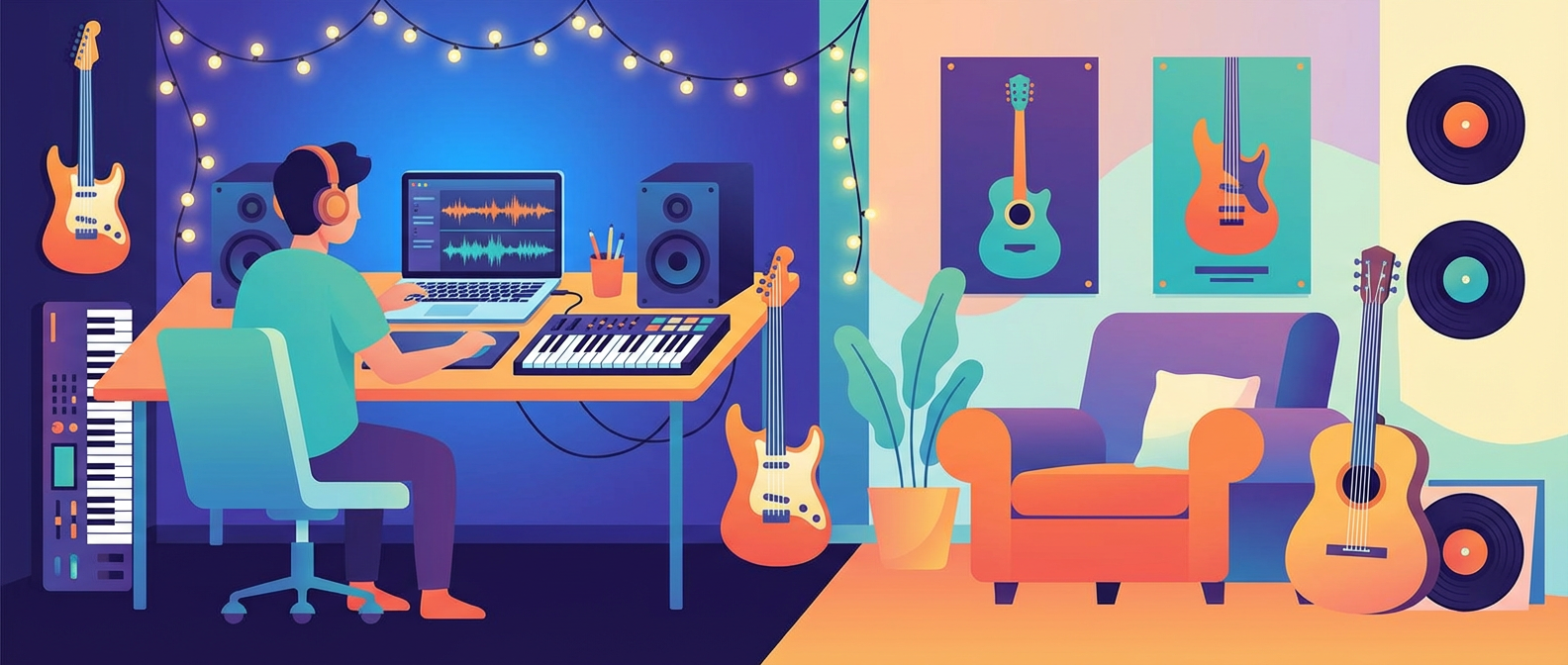
The Bedroom Studio Revolution: How Lo-Fi Dreams Built a Genre

The Bedroom Studio Revolution: How Lo-Fi Dreams Built a Genre

The Democratization of Sound Creation

The modern bedroom producer works from cramped apartments and converted closets, turning tiny spaces into creative sanctuaries. This year alone, nearly three-quarters of all music submissions to major streaming platforms came from home recording setups. That’s a massive shift in how professional-quality music gets made. The traditional studio ecosystem used to be the gatekeeper to polished production, but now creativity matters more than capital investment.

The Bedroom Studio Revolution: How Lo-Fi Dreams Built a Genre

Digital Audio Workstations leveled the playing field in music production, tearing down the financial barriers that once separated bedroom dreamers from chart-topping artists. Software platforms now offer complete production suites at prices that put professional-grade tools in anyone’s hands, as long as they have a laptop and some determination. This tech revolution changed everything about music creation, letting artists achieve broadcast-ready results from their personal spaces.

The rise of home production reflects bigger cultural shifts toward DIY aesthetics and raw expression. Bedroom producers actually embrace imperfection as an artistic choice. They find beauty in the subtle hiss of analog emulation and the warmth of slightly compressed dynamics. These sonic quirks, once considered technical flaws, became the defining sound of an entire generation’s musical output.

Illustration for The Bedroom Studio Revolution: How Lo-Fi Dreams Built a Genre

Bedroom Pop’s Rise to Mainstream Recognition

What started as a niche aesthetic rooted in nostalgic production techniques grew into a commercially successful genre with serious staying power. Since 2019, bedroom pop has consistently produced artists who break through to mainstream chart positions, proving that lo-fi sensibilities can capture widespread attention. The genre’s success shows how intimate production styles can connect with audiences seeking emotional authenticity over polished perfection.

The bedroom pop movement pulls from all kinds of influences, mixing indie rock’s introspective lyrics, jazz’s sophisticated chord progressions, and hip-hop’s rhythmic sensibilities. Producers in this space often use vintage synthesizers, analog tape saturation, and deliberate pitch variations to create a sense of temporal displacement. These production choices evoke memories of dusty vinyl records and forgotten cassette tapes, tapping into our collective nostalgia for analog warmth.

Critical reception of bedroom pop shifted from dismissive to deeply appreciative, with publications like Pitchfork music criticism recognizing the genre’s sophisticated approach to simplicity. The best bedroom pop producers understand that lo-fi aesthetics require careful curation, balancing technical restraint with emotional impact to create compelling sonic narratives.

The Sample Paradox in Independent Production

Modern bedroom producers have a complicated relationship with musical history. They’re drawn to classic material for its emotional resonance but face prohibitive licensing costs that make legal sampling nearly impossible for independent artists. The expense of clearing recognizable samples created a two-tiered system where major label artists can afford to incorporate beloved musical fragments while independents must seek creative alternatives or risk legal trouble.

This limitation sparked innovative approaches to musical quotation and reference. Producers became experts at recreating the essence of classic sounds through careful arrangement and instrumentation rather than direct sampling. Some artists collaborate with session musicians to record “inspired by” versions of iconic musical phrases, avoiding copyright issues while maintaining artistic integrity. Others dig deep into obscure catalog material where clearance costs remain manageable.

Artificial intelligence introduced new complications to this situation, offering stem separation tools that can isolate individual elements from existing recordings with incredible precision. While these technologies open exciting creative possibilities, they also enable widespread unauthorized remixing that challenges traditional concepts of musical ownership and fair use. The legal framework surrounding AI-assisted sampling remains unsettled, creating uncertainty for producers who want to explore these capabilities responsibly.

The Analog Renaissance in a Digital Age

Physical media made an unexpected comeback, with vinyl sales surpassing compact disc sales for the third consecutive year, reflecting a broader cultural appetite for tangible musical experiences. This trend connects perfectly with bedroom pop culture, where artists and listeners share an appreciation for analog warmth and deliberate consumption of music. The ritual of playing records aligns perfectly with bedroom pop’s emphasis on intimate, contemplative listening experiences.

Bedroom producers often incorporate vinyl’s characteristic sonic properties into their digital workflows, using plugins that emulate record surface noise, wow and flutter, and frequency response curves typical of analog playback systems. This cross-pollination between digital production and analog aesthetics creates a unique sonic signature that feels both contemporary and nostalgic.

Resources like Sound on Sound production have documented the technical approaches bedroom producers use to achieve authentic vintage sounds through modern tools. The craft involves understanding not just which effects to apply, but how to layer multiple subtle processes to create convincing analog emulation that supports the music rather than overwhelming it.

Crafting Intimacy Through Technical Choices

The art of bedroom pop production lies in understanding how technical decisions shape emotional response. Successful producers in this space master the subtle manipulation of dynamics, frequency response, and spatial positioning to create recordings that feel like whispered secrets rather than public proclamations. Every processing choice, from gentle compression ratios to careful reverb selection, contributes to the overall sense of intimacy that defines the genre.

Microphone placement becomes particularly important in bedroom pop production, where close-miked vocals and instruments create immediate proximity between artist and listener. Producers often embrace the acoustic characteristics of their recording spaces, using room tone and natural reflections as textural elements rather than problems to solve. This approach requires developing an ear for how domestic environments contribute to sonic character.

The mixing philosophy in bedroom pop prioritizes emotional coherence over technical perfection. Producers learn to recognize when slightly imperfect pitch, timing, or tonal balance better serves the artistic vision than clinical accuracy. This aesthetic choice demands confidence and restraint, knowing when to polish and when to preserve authentic human expression.

The bedroom pop movement keeps evolving as new artists discover innovative ways to balance accessibility with artistry, proving that meaningful music emerges from passionate creativity regardless of budget constraints. What production techniques are you experimenting with in your own creative space?

The Great Artistic Disconnect: Why the Creative Economy Is Failing Its Creators

The Streaming Mirage: When Exposure Doesn’t Pay the Bills

The promise was simple: digital platforms would democratize art distribution and create new ways for artists to make money. Musicians could bypass record labels, visual artists could reach global audiences, and creators could build direct relationships with their supporters. The reality? Completely different. For most artists trying to make money through streaming services, annual earnings hover below $500. That barely covers a month’s groceries, let alone the costs of creating art.

This reveals a fundamental flaw in how we’ve built the digital creative economy. Platform-based distribution gives you incredible reach, but it has simultaneously devalued artistic labor through sheer scale and algorithmic mediation. When millions of tracks compete for attention in an endless scroll, individual works become commoditized units in an attention-harvesting machine rather than unique expressions that deserve fair compensation.

The math is brutal. Even moderately successful artists find themselves trapped where increased visibility rarely translates to sustainable income. The platforms profit from aggregate engagement while individual creators remain economically marginalized. It’s a new form of digital sharecropping that would make 19th-century industrialists blush.

Direct Connection: The Rise of Patron-Supported Art

Against this backdrop, alternative economic models are gaining traction among artists seeking to escape the platform trap. Services like Bandcamp and Patreon represent a return to more intimate, sustainable relationships between creators and their audiences. These platforms facilitate direct financial support, allowing fans to become genuine patrons rather than passive consumers of free content.

The patron model isn’t just nostalgic romanticism. It’s a pragmatic response to platform economics. When artists can capture even modest monthly support from a dedicated base, they gain the stability necessary for sustained creative work. This direct-to-fan approach also preserves artistic autonomy, reducing pressure to chase algorithmic trends or conform to platform-friendly content formats.

What’s particularly compelling about these models is how they reframe the artist-audience relationship. Instead of competing for fleeting attention in crowded feeds, artists build deeper connections with supporters who understand the value of their work. This shift from transaction-based to relationship-based economics creates space for more experimental, personal, and challenging art to flourish.

Priced Out: The Urban Exodus and Its Consequences

Economic pressures extend beyond digital platforms to the physical spaces where art is made. Rising studio rents in major cultural centers force artists into an impossible choice: abandon the cities that have traditionally nurtured artistic communities or sacrifice financial stability for creative proximity. The result is a hollowing out of urban arts districts that once provided both affordable workspace and collaborative energy.

This displacement isn’t just an inconvenience. It’s a fundamental threat to artistic ecosystems. When emerging artists can no longer afford to live and work in cities with established gallery networks, museums, and peer communities, the entire creative pipeline suffers. The diversity of voices and experimental approaches that urban density typically creates gives way to homogenized scenes dominated by artists with independent wealth or commercial success.

The ripple effects are already visible. Cities that once prided themselves on dynamic arts communities are watching their creative class migrate to smaller municipalities or abandon art-making altogether. This geographic spread, while sometimes leading to interesting regional scenes, often leaves artists isolated from the critical mass of peers, collectors, and institutions necessary for career development.

Alternative Infrastructure: Residencies and New Institutional Models

As traditional gallery systems struggle with their own economic pressures, artist residency programs are expanding to fill institutional gaps. These programs offer more than just temporary workspace. They’re becoming incubators for artistic development and alternative career paths. Unlike commercial galleries focused on sales, residencies prioritize process, experimentation, and community building.

The growth of residency programs reflects a broader recognition that artistic careers require different types of support at different stages. Early-career artists benefit from mentorship and protected time to develop their practice, while established artists need space to take risks or explore new directions. Publications like Hyperallergic art criticism regularly highlight how these programs are reshaping artistic careers and creating new networks of support.

This institutional evolution also challenges traditional hierarchies in the art world. Residency-supported artists often bypass conventional gallery representation entirely, building careers through alternative exhibitions, collaborative projects, and direct collector relationships. The model suggests possibilities for more equitable, artist-centered support systems.

Technology’s Double Edge: From NFT Speculation to Authentic Innovation

The spectacular rise and fall of NFT markets provided a stark lesson in the difference between technological innovation and speculative bubbles. While the trading frenzy subsided, leaving many artists financially burned, the underlying blockchain infrastructure continues to offer genuine utility for provenance tracking and artist attribution.

Meanwhile, AI image generation has introduced new questions about authorship and originality that cut to the heart of artistic value. These tools simultaneously threaten traditional notions of artistic skill while opening possibilities for new forms of creative collaboration between human intention and machine capability. Platforms like Artsy contemporary art are grappling with how to categorize and value AI-assisted works in an already complex market.

The challenge isn’t technological adoption but thoughtful integration. Artists who approach these tools as collaborators rather than replacements often discover new expressive possibilities. However, the economic implications remain unclear as markets struggle to assign value to works that blur traditional boundaries of human authorship.

The economics of independent art-making reveal deeper tensions between technological possibility and human sustainability. While new tools and platforms offer unprecedented creative opportunities, they often fail to address the fundamental challenge: ensuring artists can afford to make work. Perhaps the most promising developments lie not in revolutionary technologies but in renewed attention to direct relationships, alternative institutions, and economic models that prioritize creator welfare over platform profits. What models do you see emerging in your own creative community?

What Retrospective and legacy writing Reveals About Music production and bedroom pop culture

The standard take misses what’s really happening here. Music production and bedroom pop deserve better analysis than they usually get, and honestly, the reason isn’t that complicated once you dig in.

What makes this different from previous waves is simple: DAWs like Ableton, FL Studio, and Logic have basically eliminated production barriers. The situation is bittersweet but not tragic. It celebrates what’s happening without glossing over the messier parts, and that reading turns out to be more accurate when you look at the actual evidence.

The Writing: Setting the Terms

Here’s a number that matters: 70 percent of music submitted to Spotify in 2025 was created with home recording setups. This isn’t just a statistic about music production and bedroom pop culture, it’s the foundation that makes everything else make sense. This kind of context sticks around. The conditions behind it have been building for years, and it’s that convergence that makes right now different from other moments that might have looked similar from the outside.

You’ve got DAWs eliminating production barriers and the bedroom pop genre consistently producing Billboard charting artists since 2019. Look at both trends together and a pattern emerges that Pitchfork music criticism has been tracking from the ground up: these conditions are stickier than they first appear, and the implications reach further than the immediate headlines suggest.

To understand why this matters, compare what was true three years ago with what’s true now. The difference isn’t just about numbers, it’s about quality. The players, the infrastructure, the incentive structures have all shifted in ways that build on each other rather than cancel out. That compounding effect is what you really need to track.

What makes this moment worth examining carefully isn’t novelty but confirmation. The underlying dynamics have been visible for a while. What’s new is that they’ve hit a threshold where ignoring them takes active effort rather than simple inattention. Crossing that threshold is the real event, not the underlying movement that created it.

And sample clearance costs blocking independent artists from using classic material is part of the same picture. These elements aren’t separate issues, they’re reinforcing conditions in the same structural shift.

The Obituary Frame: The Analysis

Sample clearance costs blocking independent artists from classic material is where this gets specific. The surface reading is accessible and not wrong, but it misses the mechanism. The mechanism is where the practical insight lives. What makes this different from previous cycles is AI stem separation tools enabling unauthorized remixing at scale, and understanding that changes what you do with the information.

Think about what AI stem separation tools enabling unauthorized remixing at scale actually represents. It’s not some random correlation, it’s a downstream consequence of structural factors that have been building. Previous readings of similar situations failed because they treated the symptom as the cause. The structural account is less satisfying as a headline but more useful as an analytical tool.

The comparison to prior cycles is instructive precisely because of where it breaks down. Similar-looking conditions resolved differently in previous iterations because the substrate was different. Vinyl sales outperforming CD sales for a third consecutive year in 2025 represents a substrate change, the kind that alters how elastic the system is rather than just its current state. Recognizing that distinction separates real analysis from pattern-matching.

The skeptical counterargument deserves honest engagement: prior moments with similar surface characteristics didn’t produce the outcomes that seemed logical at the time. That history is real. What’s different now is vinyl sales outperforming CD sales for a third consecutive year in 2025, which isn’t a minor variable, it’s the infrastructure condition that previous cycles lacked. Infrastructure changes tend to persist in ways that sentiment-driven changes don’t. Sound on Sound production is one source tracking this dimension with the rigor it requires.

There’s also a distribution question that often gets ignored in coverage of music production and bedroom pop culture: who captures the value created by these shifts, and who absorbs the disruption costs? The big picture can be positive while the distribution is uneven in ways that matter enormously to specific participants. Keeping that distributional lens in view is part of reading the situation clearly rather than just optimistically.

Implications: What This Means If You Care About Artistic legacies

The implications of music production and bedroom pop culture extend beyond the immediate context. 70 percent of music submitted to Spotify in 2025 created with home recording setups combined with the structural conditions described above creates a situation where adjacent fields, decisions, and communities get affected in ways that aren’t always visible from inside the primary story. The second-order effects are frequently more important than the first-order ones, and they’re where careful attention pays the highest returns.

The frame that matters here, and this is where the analysis departs from mainstream coverage, is that bedroom pop consistently generating Billboard charting artists since 2019 is a leading indicator rather than a lagging one. The people positioned to respond to what this signals, rather than to what it confirms, are the ones who will be less surprised by what follows.

The practical response depends heavily on your position relative to the dynamics at play. For those closest to the core of music production and bedroom pop culture, the implications are immediate and operational. For those at greater distance, the implications are strategic, a matter of understanding which adjacent pressures are building and which assumed stabilities are more fragile than they appear.

The practical question isn’t whether to engage with these dynamics but how. The answer depends on context, on what role you occupy relative to music production and bedroom pop culture and what your actual decision horizon is. But the first step is the same regardless: accurate understanding of what’s actually happening rather than what the most available narrative says is happening.

A few concrete observations are worth separating out from the broader analysis. First: DAWs like Ableton, FL Studio, and Logic eliminating production barriers isn’t a temporary condition, it’s a new baseline. Second: AI stem separation tools enabling unauthorized remixing at scale suggests that the adjustment period isn’t over. Third, and most important: the organizations and individuals who are treating the current moment as a new steady state rather than a transition are making a categorization error that will be costly to unwind later.

The Case Against: What the Critics Get Right

Intellectual honesty requires acknowledging the strongest counterarguments, not just the weakest ones. The case against the optimistic reading of music production and bedroom pop culture isn’t trivial. There are structural vulnerabilities in the current picture that deserve direct engagement rather than dismissal.

The most serious objection is about sustainability. Bedroom pop consistently generating Billboard charting artists since 2019 can be read not as a foundation but as a ceiling, a point beyond which growth becomes self-limiting because of the very dynamics that produced it. If the current state has already incorporated most of the available supply of early-adopting participants, the remaining growth curve may be structurally shallower than the recent trajectory implies.

There’s also the policy and regulatory dimension. 70 percent of music submitted to Spotify in 2025 created with home recording setups describes a condition in a relatively permissive environment. Regulatory responses to the scale implied by these numbers aren’t inevitable, but they’re not implausible either. The organizations that are planning as though the current regulatory environment is permanent are making an assumption that the history of fast-growing sectors doesn’t support.

The rebuttal to these concerns isn’t that they’re wrong, it’s that they’re already partially priced into the current state of the field. Vinyl sales outperforming CD sales for a third consecutive year in 2025 reflects an environment where participants are already adapting to constraints rather than operating in an unconstrained space. The adjustment capacity of the ecosystem is higher than a purely top-down view of the risks suggests.

Looking Forward

The trajectory here is clearer than the pace. Making predictions about when specific thresholds will be crossed is genuinely difficult, and anyone claiming precision about timelines should be treated with skepticism. But the direction, toward 70 percent of music submitted to Spotify and continued development of the conditions described above, is supported by the evidence in a way that isn’t contingent on a single variable going right.

Vinyl sales outperforming CD sales for a third consecutive year in 2025 is the variable to watch as the leading indicator. Historical patterns suggest it moves first, with broader metrics following with some lag. This doesn’t make the outcome certain, but it makes it legible, and legibility is the precondition for good decisions.

Three questions are worth holding as the story develops. First: are the structural conditions that enabled the current state durable, or are they cyclical? Second: who’s positioned to benefit from the next phase, and does that differ materially from who benefited in the current phase? Third: what would a clean falsification of the optimistic thesis look like, and is there any evidence of that signal emerging? These questions don’t need answers today, but having asked them changes what you notice in the months ahead.

The direction here is clear even when the pace isn’t. The current moment in music production and bedroom pop culture is one where the people who have built an accurate model of the underlying dynamics are better positioned than the people who are relying on the surface story. Building that model isn’t a quick task, but it’s a doable one, and this analysis is intended as one input into it.

What would you add to the record of what it meant?

Music production and bedroom pop culture — An Honest Critical

Music production and bedroom pop culture — An Honest Critical

Most coverage misses the bigger story here. Music production and bedroom pop deserve closer attention than they usually get, and once you dig in, the reasons become pretty clear.

What makes this different from past waves is simple: DAWs like Ableton, FL Studio, and Logic have dropped production barriers to basically zero. Look at the evidence and this becomes obvious pretty fast.

Music production and bedroom pop culture — An Honest Critical

The Dissent: Setting the Terms

Here’s a number that matters: 70 percent of music submitted to Spotify in 2025 was created with home recording setups. This isn’t just a stat about bedroom pop culture, it’s the foundation that makes everything else make sense. These conditions didn’t appear overnight. They’ve been building for years, and now they’ve reached a tipping point that separates this moment from earlier ones that might have looked similar.

You have DAWs making production accessible to anyone with a laptop. You have bedroom pop consistently putting artists on the Billboard charts since 2019. Put these together and you get a pattern that Pitchfork music criticism has been tracking closely: this shift has more staying power than it first appeared, and the ripple effects go way beyond the immediate headlines.

The difference between three years ago and now isn’t just about numbers. It’s qualitative. The players, the infrastructure, the incentives have all shifted in ways that build on each other instead of canceling out. That compounding effect is what you need to pay attention to.

What makes this worth examining isn’t that it’s brand new. It’s that the underlying trends have finally hit a point where ignoring them takes real effort. Crossing that threshold is the actual event here, not the gradual movement that led up to it.

And here’s another piece: sample clearance costs are still blocking independent artists from using classic material. This isn’t happening in isolation, it’s part of the same structural shift.

The Hot Take: The Analysis

Sample clearance costs blocking independent artists is where this gets specific. The obvious reading isn’t wrong, but it misses how the system actually works. And understanding the mechanism changes what you do with the information.

Think about what AI stem separation tools enabling unauthorized remixing at scale actually means. This isn’t some random correlation. It’s a direct result of structural factors that have been building up. Previous attempts to read similar situations failed because they focused on symptoms instead of causes. The structural explanation is less exciting as a headline but way more useful for analysis.

Comparing this to earlier cycles is helpful precisely because of where the comparison breaks down. Similar surface conditions played out differently before because the foundation was different. Vinyl sales outperforming CD sales for the third straight year in 2025 represents a foundation change, the kind that alters how the whole system responds rather than just shifting current numbers. Getting that distinction right separates real analysis from pattern-matching.

The skeptical take deserves a real response: past moments with similar surface features didn’t produce the logical outcomes. That history is real. What’s different now is vinyl sales outperforming CD sales for the third consecutive year in 2025, which isn’t a minor variable, it’s the infrastructure condition that previous cycles lacked. Infrastructure changes stick around in ways that sentiment-driven changes don’t. Sound on Sound production tracks this dimension with the detail it deserves.

There’s also a question that gets skipped in most coverage of music production and bedroom pop: who actually benefits from these shifts, and who gets stuck with the costs? The overall picture can look positive while the distribution is uneven in ways that matter enormously to specific people. Keeping that lens in view is part of reading the situation clearly rather than just optimistically.

Implications: What This Means If You Care About Overrated works

The implications of music production and bedroom pop reach beyond the immediate scene. 70 percent of music submitted to Spotify in 2025 created with home recording setups, combined with the structural conditions I’ve described, creates a situation where adjacent fields and communities get affected in ways that aren’t always visible from inside the main story. The second-order effects are often more important than the first-order ones, and they’re where careful attention pays off.

Here’s where this analysis breaks from mainstream coverage: bedroom pop genre generating consistent Billboard charting artists since 2019 is a leading indicator, not a lagging one. The people positioned to respond to what this signals, rather than what it confirms, are the ones who won’t be surprised by what comes next.

The practical response depends heavily on where you sit relative to these dynamics. For those closest to music production and bedroom pop culture, the implications are immediate and operational. For those further out, the implications are strategic, about understanding which adjacent pressures are building and which assumed stabilities are more fragile than they appear.

The practical question isn’t whether to engage with these dynamics but how. The answer depends on context, on what role you occupy and what your actual decision timeline looks like. But the first step is the same regardless: accurate understanding of what’s actually happening rather than what the most convenient narrative says is happening.

A few concrete observations worth pulling out from the broader analysis. First: DAWs like Ableton, FL Studio, and Logic lowering production barriers to zero isn’t a temporary condition, it’s a new baseline. Second: AI stem separation tools enabling unauthorized remixing at scale suggests the adjustment period isn’t over. Third, and most important: the organizations and individuals treating the current moment as a new steady state rather than a transition are making a categorization error that will be expensive to fix later.

The Case Against: What the Critics Get Right

Intellectual honesty means engaging with the strongest counterarguments, not just the weakest ones. The case against the optimistic reading of music production and bedroom pop culture isn’t trivial. There are real vulnerabilities in the current picture that deserve direct engagement rather than dismissal.

The most serious objection is about sustainability. Bedroom pop generating consistent Billboard charting artists since 2019 can be read not as a foundation but as a ceiling, a point beyond which growth becomes self-limiting because of the very dynamics that produced it. If the current state has already absorbed most of the early-adopting participants, the remaining growth curve may be structurally shallower than the recent trajectory suggests.

There’s also the policy and regulatory dimension. 70 percent of music submitted to Spotify in 2025 created with home recording setups describes a condition in a relatively permissive environment. Regulatory responses to the scale implied by these numbers aren’t inevitable, but they’re not implausible either. Organizations planning as though the current regulatory environment is permanent are making an assumption that the history of fast-growing sectors doesn’t support.

The response to these concerns isn’t that they’re wrong, it’s that they’re already partially baked into the current state of the field. Vinyl sales outperforming CD sales for the third consecutive year in 2025 reflects an environment where participants are already adapting to constraints rather than operating in an unconstrained space. The adjustment capacity of the ecosystem is higher than a purely top-down view of the risks suggests.

Looking Forward

The direction here is clearer than the timing. Making predictions about when specific thresholds will be crossed is genuinely difficult, and anyone claiming precision about timelines should be treated with skepticism. But the direction toward continued growth of home recording and continued development of the conditions described above is supported by evidence in a way that doesn’t depend on a single variable going right.

Vinyl sales outperforming CD sales for the third consecutive year in 2025 is the variable to watch as the leading indicator. Historical patterns suggest it moves first, with broader metrics following with some lag. This doesn’t make the outcome certain, but it makes it readable, and readability is what you need for good decisions.

Three questions worth holding as the story develops. First: are the structural conditions that enabled the current state durable, or are they cyclical? Second: who is positioned to benefit from the next phase, and does that differ materially from who benefited in the current phase? Third: what would clean evidence against the optimistic thesis look like, and is there any sign of that signal emerging? These questions don’t need answers today, but asking them changes what you notice in the months ahead.

The direction here is clear even when the pace isn’t. The current moment in music production and bedroom pop culture is one where people who have built an accurate model of the underlying dynamics are better positioned than people relying on the surface story. Building that model isn’t quick, but it’s doable, and this analysis is intended as one input into it.

Come for me in the comments. I’m interested in why you disagree.