The Democratization of Sound Creation
The modern bedroom producer works from cramped apartments and converted closets, turning tiny spaces into creative sanctuaries. This year alone, nearly three-quarters of all music submissions to major streaming platforms came from home recording setups. That’s a massive shift in how professional-quality music gets made. The traditional studio ecosystem used to be the gatekeeper to polished production, but now creativity matters more than capital investment.
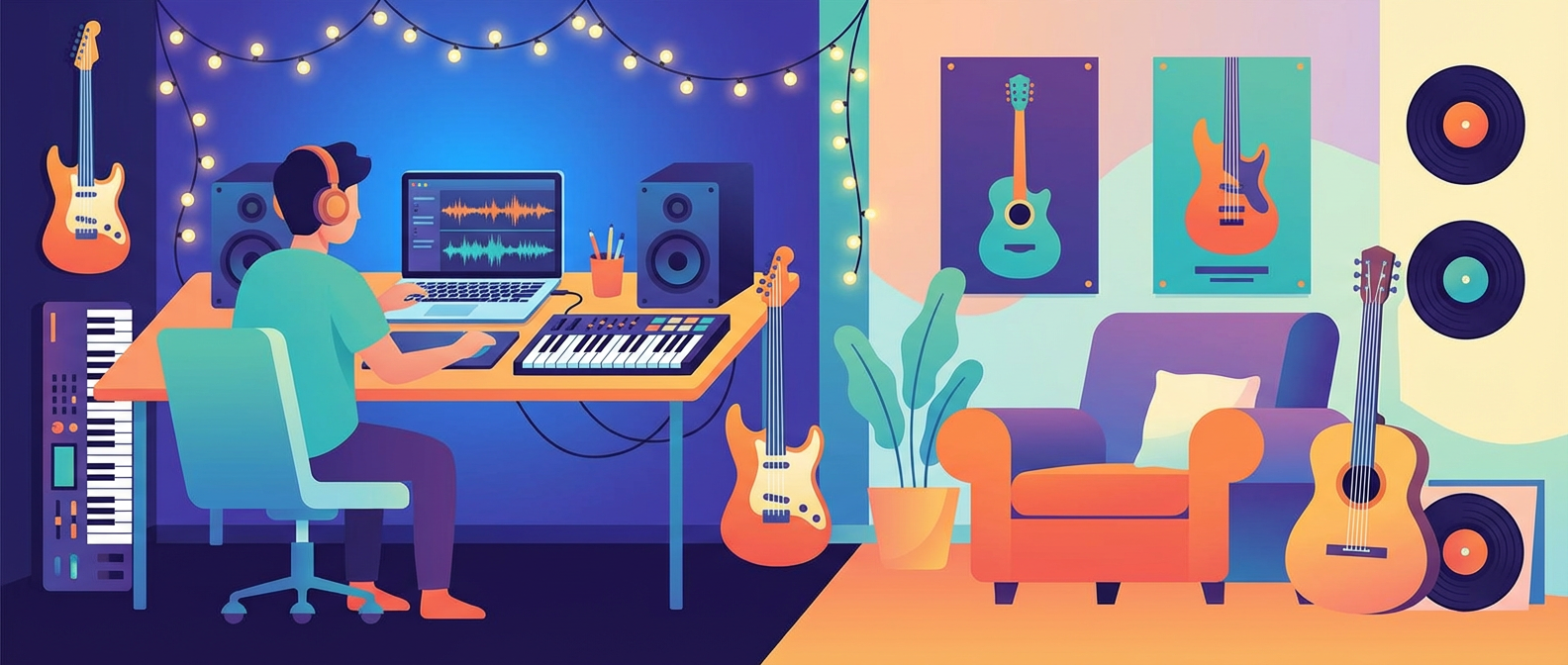
Digital Audio Workstations leveled the playing field in music production, tearing down the financial barriers that once separated bedroom dreamers from chart-topping artists. Software platforms now offer complete production suites at prices that put professional-grade tools in anyone’s hands, as long as they have a laptop and some determination. This tech revolution changed everything about music creation, letting artists achieve broadcast-ready results from their personal spaces.
The rise of home production reflects bigger cultural shifts toward DIY aesthetics and raw expression. Bedroom producers actually embrace imperfection as an artistic choice. They find beauty in the subtle hiss of analog emulation and the warmth of slightly compressed dynamics. These sonic quirks, once considered technical flaws, became the defining sound of an entire generation’s musical output.
Bedroom Pop’s Rise to Mainstream Recognition
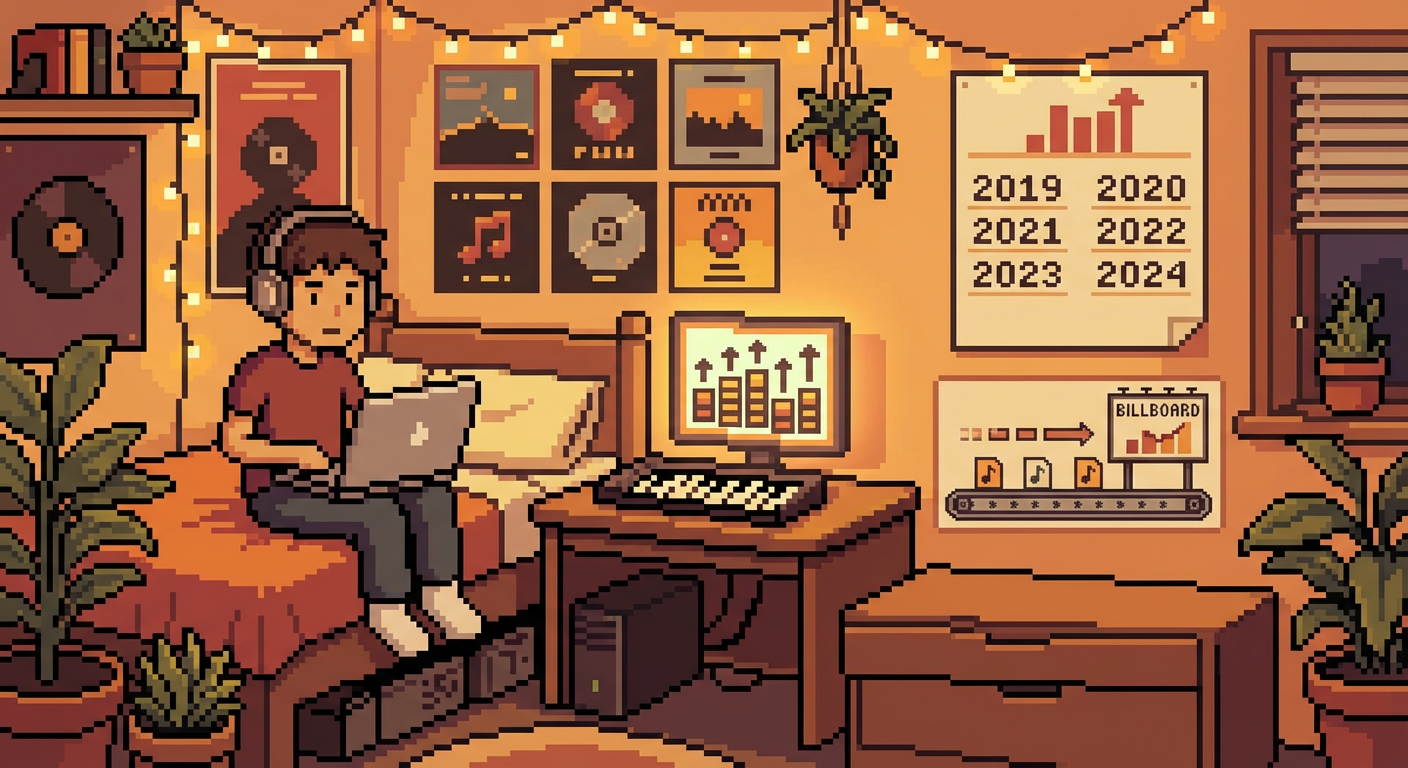
What started as a niche aesthetic rooted in nostalgic production techniques grew into a commercially successful genre with serious staying power. Since 2019, bedroom pop has consistently produced artists who break through to mainstream chart positions, proving that lo-fi sensibilities can capture widespread attention. The genre’s success shows how intimate production styles can connect with audiences seeking emotional authenticity over polished perfection.
The bedroom pop movement pulls from all kinds of influences, mixing indie rock’s introspective lyrics, jazz’s sophisticated chord progressions, and hip-hop’s rhythmic sensibilities. Producers in this space often use vintage synthesizers, analog tape saturation, and deliberate pitch variations to create a sense of temporal displacement. These production choices evoke memories of dusty vinyl records and forgotten cassette tapes, tapping into our collective nostalgia for analog warmth.
Critical reception of bedroom pop shifted from dismissive to deeply appreciative, with publications like Pitchfork music criticism recognizing the genre’s sophisticated approach to simplicity. The best bedroom pop producers understand that lo-fi aesthetics require careful curation, balancing technical restraint with emotional impact to create compelling sonic narratives.
The Sample Paradox in Independent Production
Modern bedroom producers have a complicated relationship with musical history. They’re drawn to classic material for its emotional resonance but face prohibitive licensing costs that make legal sampling nearly impossible for independent artists. The expense of clearing recognizable samples created a two-tiered system where major label artists can afford to incorporate beloved musical fragments while independents must seek creative alternatives or risk legal trouble.
This limitation sparked innovative approaches to musical quotation and reference. Producers became experts at recreating the essence of classic sounds through careful arrangement and instrumentation rather than direct sampling. Some artists collaborate with session musicians to record “inspired by” versions of iconic musical phrases, avoiding copyright issues while maintaining artistic integrity. Others dig deep into obscure catalog material where clearance costs remain manageable.
Artificial intelligence introduced new complications to this situation, offering stem separation tools that can isolate individual elements from existing recordings with incredible precision. While these technologies open exciting creative possibilities, they also enable widespread unauthorized remixing that challenges traditional concepts of musical ownership and fair use. The legal framework surrounding AI-assisted sampling remains unsettled, creating uncertainty for producers who want to explore these capabilities responsibly.
The Analog Renaissance in a Digital Age
Physical media made an unexpected comeback, with vinyl sales surpassing compact disc sales for the third consecutive year, reflecting a broader cultural appetite for tangible musical experiences. This trend connects perfectly with bedroom pop culture, where artists and listeners share an appreciation for analog warmth and deliberate consumption of music. The ritual of playing records aligns perfectly with bedroom pop’s emphasis on intimate, contemplative listening experiences.
Bedroom producers often incorporate vinyl’s characteristic sonic properties into their digital workflows, using plugins that emulate record surface noise, wow and flutter, and frequency response curves typical of analog playback systems. This cross-pollination between digital production and analog aesthetics creates a unique sonic signature that feels both contemporary and nostalgic.
Resources like Sound on Sound production have documented the technical approaches bedroom producers use to achieve authentic vintage sounds through modern tools. The craft involves understanding not just which effects to apply, but how to layer multiple subtle processes to create convincing analog emulation that supports the music rather than overwhelming it.
Crafting Intimacy Through Technical Choices
The art of bedroom pop production lies in understanding how technical decisions shape emotional response. Successful producers in this space master the subtle manipulation of dynamics, frequency response, and spatial positioning to create recordings that feel like whispered secrets rather than public proclamations. Every processing choice, from gentle compression ratios to careful reverb selection, contributes to the overall sense of intimacy that defines the genre.
Microphone placement becomes particularly important in bedroom pop production, where close-miked vocals and instruments create immediate proximity between artist and listener. Producers often embrace the acoustic characteristics of their recording spaces, using room tone and natural reflections as textural elements rather than problems to solve. This approach requires developing an ear for how domestic environments contribute to sonic character.
The mixing philosophy in bedroom pop prioritizes emotional coherence over technical perfection. Producers learn to recognize when slightly imperfect pitch, timing, or tonal balance better serves the artistic vision than clinical accuracy. This aesthetic choice demands confidence and restraint, knowing when to polish and when to preserve authentic human expression.
The bedroom pop movement keeps evolving as new artists discover innovative ways to balance accessibility with artistry, proving that meaningful music emerges from passionate creativity regardless of budget constraints. What production techniques are you experimenting with in your own creative space?